Navigating the world of paint can be daunting, but this guide simplifies choices, covering types, finishes, and room-specific recommendations for a flawless outcome․
Selecting the right paint ensures durability, smoothness, and a beautiful finish; consider room size and shape before beginning your project․
This comprehensive guide demystifies paint, empowering you to confidently choose the best finish for any decorating project, from palettes to primers․
Why a Paint Guide is Essential
Embarking on a painting project without a solid understanding of paint types and techniques can lead to frustrating results, wasted resources, and a less-than-desirable aesthetic․ A comprehensive paint guide serves as an invaluable resource, empowering both novice and experienced DIYers to make informed decisions․
Firstly, it demystifies the vast array of paint options available – latex, oil-based, acrylic, and eco-friendly varieties – explaining their unique characteristics, advantages, and drawbacks․ Understanding these differences is crucial for selecting a paint that aligns with your specific needs and project requirements․
Secondly, a guide clarifies the significance of paint finishes, from matte to gloss, detailing how each impacts the appearance and durability of the painted surface․ Choosing the appropriate finish for each room ensures both visual appeal and practical functionality․ Finally, a paint guide streamlines the entire process, saving time, money, and potential headaches․
Scope of the Guide: Interior vs․ Exterior
This paint guide recognizes the distinct demands of interior and exterior painting projects, offering tailored advice for each․ Interior paint selection prioritizes factors like durability against scuffs, washability for easy cleaning, and aesthetic appeal within enclosed spaces․ Considerations include room-specific needs – moisture resistance in kitchens and bathrooms, or calming tones in bedrooms․
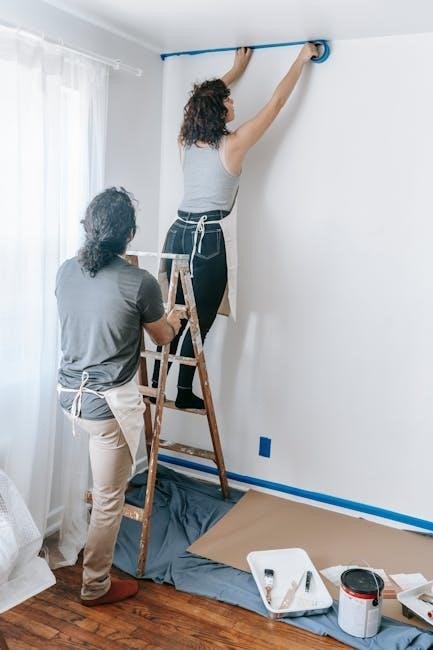
Conversely, exterior paint must withstand harsh weather conditions, including intense sunlight, rain, and temperature fluctuations․ This necessitates paints formulated for superior UV resistance, flexibility to accommodate expansion and contraction, and protection against mildew and fading․

Therefore, this guide delineates appropriate paint types and finishes for both realms, acknowledging that a paint ideal for a living room may be unsuitable for a siding․ We’ll cover primers, surface preparation, and application techniques specific to each environment, ensuring long-lasting and beautiful results․

Understanding Paint Types
Exploring diverse paint types – latex, oil-based, acrylic, and eco-friendly options – is crucial; each possesses unique characteristics impacting durability, application, and overall project success․
Latex (Water-Based) Paint
Latex, or water-based, paint is a popular choice due to its low odor, quick drying time, and easy cleanup with just water․ This makes it exceptionally user-friendly for both novice and experienced painters․ It’s also generally lower in Volatile Organic Compounds (VOCs) compared to oil-based paints, contributing to a healthier indoor environment․
However, latex paint isn’t without its considerations․ While it offers excellent flexibility, it may not be as durable as oil-based paint, particularly in high-traffic areas or on surfaces prone to moisture․ It typically requires more coats to achieve full coverage, and its finish may not be as hard or glossy․
Modern latex formulations have significantly improved, offering enhanced durability and washability․ It’s an excellent option for living rooms, bedrooms, and ceilings, providing a beautiful and breathable finish․ Proper surface preparation, including cleaning and priming, is essential for optimal adhesion and longevity․
Oil-Based Paint
Oil-based paint, traditionally favored for its durability and hard, glossy finish, offers exceptional resistance to scuffs and stains․ This makes it a strong contender for high-traffic areas like trim, doors, and cabinets․ It provides excellent leveling, resulting in a smooth, professional-looking application, and often requires fewer coats for complete coverage․
However, oil-based paints come with drawbacks․ They have a strong odor, require mineral spirits for cleanup, and possess a significantly longer drying time compared to latex paints․ They also contain higher levels of VOCs, potentially impacting indoor air quality․
Despite these considerations, oil-based paint remains a viable option where durability is paramount․ Proper ventilation is crucial during application, and careful disposal of used materials is essential․ Modern alternatives with lower VOC content are available, offering a balance between performance and environmental responsibility․
Acrylic Paint

Acrylic paint, a versatile water-based option, has gained immense popularity due to its ease of use, quick drying time, and low odor․ It offers excellent color retention and is highly flexible, making it less prone to cracking or peeling compared to oil-based paints․ Cleanup is simple, requiring only soap and water․
Acrylics are available in a wide range of finishes, from matte to high-gloss, catering to diverse aesthetic preferences․ They adhere well to various surfaces, including wood, drywall, and metal, and are suitable for both interior and exterior applications․

While generally durable, acrylic paint may not possess the same level of scuff resistance as oil-based paints․ However, advancements in acrylic technology have led to formulations with improved durability and washability, making them a practical choice for many projects․
Eco-Friendly & Zero-VOC Paints
Eco-friendly paints, and particularly those labeled “Zero-VOC” (Volatile Organic Compounds), are gaining traction as health and environmental consciousness grows․ Traditional paints release VOCs, which can contribute to indoor air pollution and pose health risks․ Zero-VOC paints minimize or eliminate these harmful emissions․
These paints are often water-based, utilizing natural pigments and renewable resources․ While historically perceived as less durable, modern formulations offer comparable performance to conventional paints․ They are available in various finishes and colors, ensuring aesthetic flexibility․
Choosing eco-friendly options supports sustainable practices and creates a healthier living environment․ Look for certifications like Green Seal or GREENGUARD to verify a product’s environmental credentials․ Consider the base – water-based or solvent-based – as it impacts odor, cleanup, and drying time․

Paint Finishes Explained
Paint finishes dramatically impact appearance and durability; options range from matte for a soft look to gloss for easy cleaning and high shine․
Understanding these choices is crucial for achieving the desired aesthetic and functional qualities in each room of your home․
Matte Finish
Matte paint offers a non-reflective surface, creating a sophisticated and velvety appearance, ideal for concealing imperfections on walls․ This finish minimizes light reflection, making it an excellent choice for rooms with existing flaws or those desiring a calming atmosphere․
However, matte finishes are generally less durable and more susceptible to stains and scuffs than higher-sheen options․ Cleaning requires gentle methods to avoid burnishing or damaging the paint․
It’s best suited for low-traffic areas like bedrooms, formal living rooms, or ceilings where washability isn’t a primary concern․ While offering a beautiful aesthetic, remember that matte paint demands a bit more care to maintain its pristine look․ Consider a primer for optimal adhesion and coverage․
This finish truly excels at providing depth and richness to color, making it a favorite among designers seeking a luxurious feel․
Eggshell Finish
Eggshell paint strikes a balance between matte and satin, offering a subtle sheen reminiscent of an eggshell’s surface․ It provides a soft, velvety appearance with slightly more reflectivity than matte, adding a touch of warmth and dimension to walls․
This finish is more durable and washable than matte, making it a practical choice for moderately used rooms like living rooms, dining rooms, and bedrooms․ It effectively hides minor imperfections while allowing for easier cleaning․
Eggshell is a versatile option that works well with various color palettes and decorating styles․ It’s a popular choice for those seeking a balance between aesthetics and practicality, offering a refined look without sacrificing durability․
Proper surface preparation and a quality primer are still recommended for optimal results, ensuring a smooth and long-lasting finish․
Satin Finish
Satin paint delivers a noticeably smoother, pearl-like sheen, offering a richer look than eggshell but less gloss than semi-gloss․ This finish provides excellent durability and is highly resistant to stains and moisture, making it ideal for high-traffic areas․
It’s a fantastic choice for hallways, children’s rooms, and playrooms where walls are prone to scuffs and marks․ Satin’s washability simplifies cleaning, maintaining a fresh appearance for longer periods․
While more reflective than eggshell, satin still effectively conceals minor wall imperfections․ However, it can highlight flaws on uneven surfaces, so proper preparation is crucial․
The subtle sheen of satin enhances colors, adding depth and vibrancy to any room․ It’s a versatile option that balances aesthetics with practicality, offering a sophisticated and easy-to-maintain finish․
Semi-Gloss Finish
Semi-gloss paint boasts a highly reflective sheen, creating a polished and durable surface․ This finish is renowned for its exceptional resistance to moisture, stains, and wear, making it a practical choice for areas exposed to frequent cleaning and humidity․
Traditionally, semi-gloss is favored for kitchens, bathrooms, and trim work like doors and window frames․ Its ability to withstand scrubbing makes it perfect for removing splatters and grime․
However, it’s important to note that semi-gloss readily reveals imperfections on walls, so meticulous surface preparation is essential for a flawless result․ It’s best applied to smooth, even surfaces․
The high reflectivity of semi-gloss can brighten a room, but it may also accentuate any existing flaws․ It’s a durable and easy-to-clean option, ideal for areas demanding both style and functionality․
Gloss Finish
Gloss paint delivers the highest level of sheen and reflectivity, creating a strikingly polished and luxurious appearance․ This finish is incredibly durable, offering exceptional resistance to moisture, stains, and abrasion, making it a long-lasting choice for high-use areas․
Traditionally, gloss finishes are used for trim, doors, and cabinetry, providing a dramatic contrast against matte or satin wall colors․ Its smooth surface is easily wiped clean, ideal for kitchens and bathrooms․

However, gloss paint mercilessly highlights any surface imperfections, demanding meticulous preparation – filling holes and sanding smooth is crucial․ It’s not generally recommended for large wall areas․
While offering superior durability and cleanability, the high shine of gloss can be overpowering in some spaces․ It’s a bold choice best suited for accentuating architectural details and creating a sophisticated aesthetic․

Choosing the Right Paint for Each Room
Selecting appropriate paint depends on room function; kitchens and bathrooms need durable, moisture-resistant options, while living spaces prioritize aesthetics and comfort․
Living Rooms & Bedrooms
For living rooms and bedrooms, where relaxation and aesthetics are key, paint choices should reflect a calming and inviting atmosphere․ Matte and eggshell finishes are popular choices, offering a soft, subtle look that minimizes imperfections on walls․
Consider lighter, neutral colors to create a spacious and airy feel, or opt for warmer tones to foster a cozy and intimate ambiance․ Paint durability isn’t as critical in these spaces as it is in high-traffic areas, allowing for greater flexibility in finish selection․
However, bedrooms benefit from paints with low or zero-VOCs (Volatile Organic Compounds) to promote healthy air quality during sleep․ Don’t be afraid to experiment with accent walls using bolder colors to add personality and visual interest, complementing the overall décor․
Ultimately, the best paint for these rooms is one that aligns with your personal style and creates a comfortable, welcoming environment․
Kitchens & Bathrooms
Kitchens and bathrooms demand paint that can withstand moisture, frequent cleaning, and potential splatters․ Therefore, satin and semi-gloss finishes are highly recommended due to their durability and washability․ These finishes resist mildew growth and are easier to wipe clean, crucial in these high-humidity environments․
Opt for paints specifically formulated with mildew-resistant additives for bathrooms․ In kitchens, consider a slightly darker shade to conceal grease and food stains․ While lighter colors can brighten the space, practicality should be prioritized․
Oil-based paints were traditionally favored for their moisture resistance, but modern latex paints with enhanced formulations offer comparable performance with lower VOCs․ Proper ventilation during application is still essential․
Remember to thoroughly prime surfaces before painting to ensure optimal adhesion and longevity, especially in areas prone to moisture exposure․
Hallways & High-Traffic Areas
Hallways, entryways, and other high-traffic zones require exceptionally durable paint capable of withstanding frequent bumps, scuffs, and cleaning․ Satin and semi-gloss finishes are ideal choices, offering a balance between durability and washability․ These finishes resist wear and tear, maintaining a fresh appearance for longer․
Consider a scrubbable latex paint formulated for high-traffic areas․ These paints are designed to withstand repeated cleaning without losing their color or sheen․ Darker shades can help camouflage scuffs and marks, reducing the need for frequent touch-ups․
Prioritize a smooth surface preparation, including patching any imperfections and applying a quality primer․ This ensures proper adhesion and a professional-looking finish․
Regular cleaning with a mild detergent will help maintain the paint’s appearance and extend its lifespan in these heavily used spaces․
Essential Painting Tools
Successful painting demands quality tools: brushes, rollers, trays, primer, and tape are crucial for achieving professional results and a smooth, lasting finish․
Brushes, Rollers & Trays
Selecting the appropriate brushes and rollers is paramount for a quality paint job․ Brushes come in various materials – natural bristles excel with oil-based paints, while synthetic bristles are ideal for latex․ Consider brush shape; angled brushes are perfect for trim and corners, while flat brushes suit larger surfaces․
Rollers offer efficiency, especially for walls and ceilings․ Nap length dictates texture: shorter naps create a smooth finish, while longer naps add texture․ Choose a roller frame that’s comfortable to use․ Don’t forget the paint tray! A good tray prevents messy drips and ensures even paint distribution onto the roller․
Quality tools minimize brushstrokes and ensure even coverage, ultimately saving time and enhancing the final appearance of your painted surfaces․ Proper cleaning and storage will extend the life of your brushes and rollers․
Primer & Tape
Primer is a foundational step, crucial for adhesion, especially on new or repaired surfaces․ It seals porous materials, creating a uniform base for paint, enhancing color vibrancy and durability․ Different primers cater to specific needs – stain-blocking primers tackle water damage or smoke, while bonding primers improve adhesion on glossy surfaces․
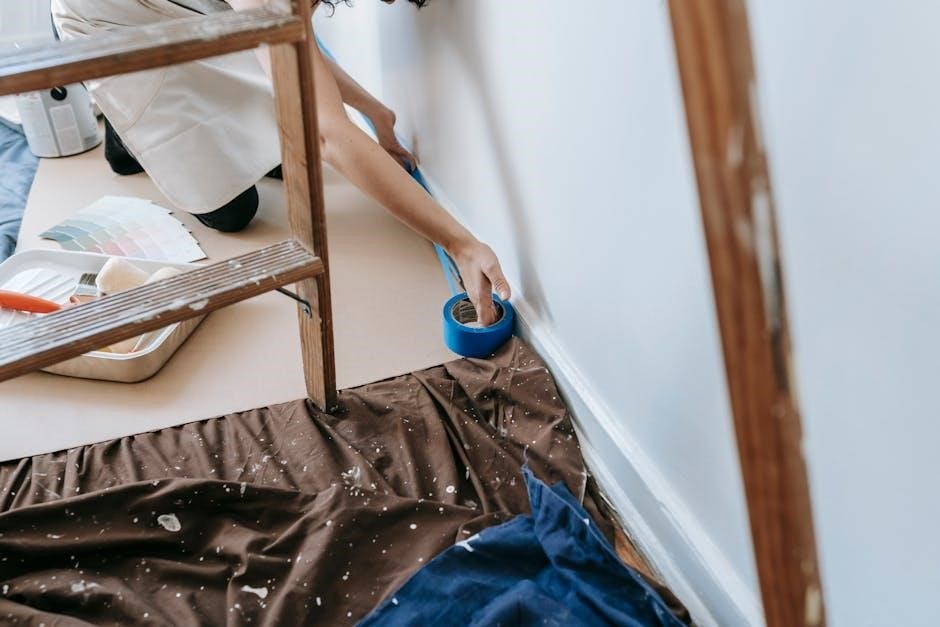
Painter’s tape defines clean lines and protects surfaces from unwanted paint․ Choose a tape appropriate for your surface; delicate surfaces require gentler tapes․ Proper application is key – ensure the tape is firmly pressed down to prevent paint bleed-through․
Removing the tape while the paint is still slightly wet minimizes chipping and ensures crisp, professional-looking edges․ Investing in quality primer and tape significantly elevates the final result of your painting project․