Historical Context of Economic Manuscripts
Early economic manuscripts were handwritten‚ later converted to PDFs for preservation. Scholars now rely on op repositories like Wikipedia and Yandex to locate drafts of Adam Smith and Marx. Digital conversion follows rig PDF standards to maintain fidelity‚ enabling researchers now to analyze economic thought! .
Early Economic Treatises PDFs
In the early twentieth century‚ scholars began digitizing seminal economic treatises‚ converting fragile manuscripts into searchable PDF formats. The process typically involved high‑resolution scanning‚ followed by optical character recognition (OCR) to produce machine‑readable text. Early efforts were supported by open‑access initiatives such as the Internet Archive and the Digital Public Library of America‚ which host scanned copies of works by Adam Smith‚ David Ricardo‚ and John Stuart Mill. These PDFs preserve the original layout‚ marginalia‚ and page numbering‚ allowing researchers to trace the evolution of economic ideas over time. The digitization projects often collaborate with university libraries and national archives to ensure legal compliance and accurate metadata. As a result‚ scholars can now perform text mining‚ citation analysis‚ and comparative studies across centuries‚ all within a single PDF file. The availability of these early treatises in PDF form has democratized access‚ enabling students and independent researchers worldwide to engage with foundational economic literature without the constraints of physical archives.
These digitized PDFs also support research. By embedding metadata such as author‚ publication date‚ and subject tags‚ scholars can query corpora for trends. Moreover‚ the preservation of marginalia and handwritten notes offers insight into the author’s thought process‚ revealing revisions and editorial decisions that are invisible in printed editions. The collaborative nature of many digitization projects ensures that the PDFs are continually updated‚ with corrections and annotations added by the academic community. Consequently‚ the PDF format has become a living document‚ bridging historical scholarship and contemporary analysis.
The digitization of early economic manuscripts has also facilitated interdisciplinary research‚ allowing historians‚ economists‚ and philosophers to collaborate on shared datasets. By integrating metadata such as publication dates‚ authorship‚ and provenance‚ scholars can trace the diffusion of ideas across regions and time periods. Moreover‚ the preservation of marginalia and annotations provides insight into the intellectual debates of the era‚ revealing how concepts like value‚ labor‚ and capital were contested and refined. Digital repositories often provide version control‚ enabling researchers to compare original drafts with later revisions. This dynamic approach not only preserves the integrity of the source material but also encourages ongoing scholarly dialogue. As a result‚ the PDF format serves as a bridge between the past and present‚ fostering a deeper understanding of the foundations of modern economic theory and its philosophical underpinnings. in depth.!!

Evolution of Economic Thought in Manuscript Form
From the 16th‑century mercantilist hand‑written accounts to the 19th‑century drafts of Karl Marx‚ the trajectory of economic theory is traced through fragile manuscripts. Early manuscripts were annotated by contemporaries‚ revealing debates over value‚ price‚ and state intervention. The transition to printed editions in the 1700s amplified these ideas‚ yet the original drafts preserved marginalia. In the 20th century‚ the rise of digital humanities projects—such as the Marx‑Engels Institute’s PDF archive—has allowed researchers to perform textual analysis on the evolution of concepts like surplus value and labor theory. The digitized PDFs retain original page numbering‚ ink variations‚ and handwritten corrections‚ enabling scholars to track revisions over time. This continuity between manuscript and PDF form underscores the dynamic nature of economic thought‚ illustrating how ideas are refined through iterative drafting‚ peer critique‚ and publication. Today‚ open‑access repositories host these PDFs‚ ensuring that the historical lineage of economic theory remains accessible for future inquiry and interdisciplinary study.
In addition‚ the PDF format allows scholars to overlay annotations‚ create hyperlinks to related sources‚ and embed time‑stamped metadata. Such features enable readers to follow the provenance of each idea‚ compare different drafts‚ and assess the influence of contemporaneous philosophical debates on economic theory.
In addition‚ the PDF format allows scholars to overlay annotations‚ create hyperlinks to related sources‚ and embed time‑stamped metadata. Such features enable readers to follow the provenance of each idea‚ compare different drafts‚ and assess the influence of contemporaneous philosophical debates on economic theory. Digital lineage fuels research now.
Philosophical Foundations in Manuscript Collections
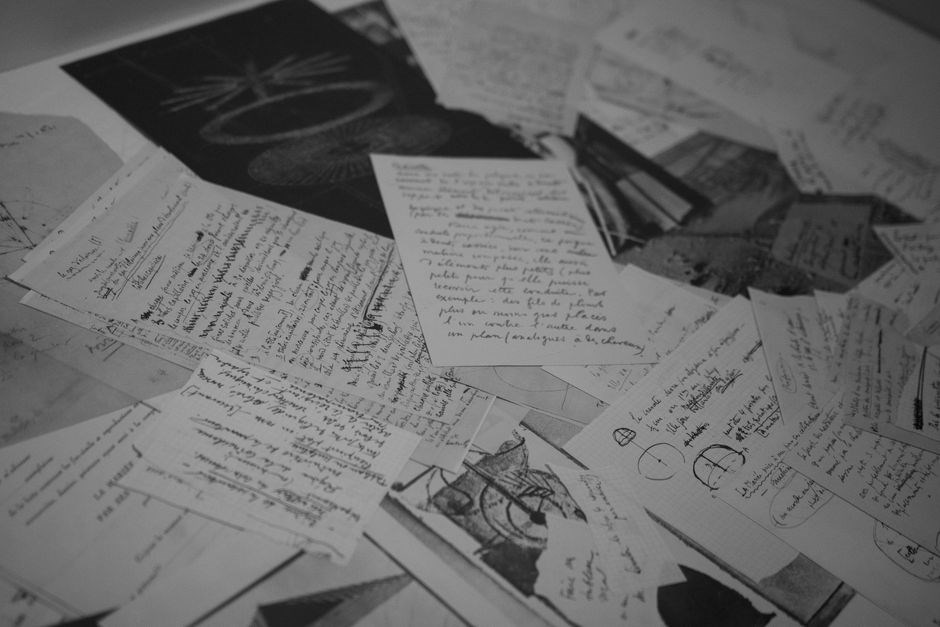
Philosophical manuscripts reveal early economic ideas. PDFs preserve Kant’s notes on value‚ Aristotle’s labor theory‚ and Marx’s critique. Digital archives like Wikipedia and Yandex host these PDFs‚ enabling scholars to trace the interplay of ethics and market logic across centuries. PDF link marginalia for.
Key Philosophers and Their Manuscripts
Early economic thought is embedded in philosophical manuscripts that survive as PDFs in digital libraries. Adam Smith’s original drafts of “The Wealth of Nations” were handwritten in the 1770s; modern scans preserve marginalia that reveal his evolving ideas on division of labor and invisible hand. Karl Marx’s notebooks‚ especially the 1857 “Capital” drafts‚ are available as high‑resolution PDFs‚ allowing scholars to trace his critique of commodity value and surplus‑value theory. John Stuart Mill’s “Principles of Political Economy” manuscripts‚ now digitized‚ show his synthesis of utilitarian ethics with market mechanisms. David Ricardo’s “Principles of Political Economy and Taxation” manuscripts‚ scanned into PDF‚ illustrate his theory of comparative advantage. Thomas Malthus’s “Essay on the Principle of Population” manuscripts‚ preserved in PDF form‚ expose his demographic arguments that influenced later economic models. Friedrich Hayek’s “The Road to Serfdom” drafts‚ available as PDFs‚ demonstrate the philosophical underpinnings of free‑market advocacy. Ludwig von Mises’s “Human Action” manuscripts‚ digitized‚ provide a rigorous methodological foundation for praxeology. These PDFs are hosted on open‑access repositories such as the Internet Archive‚ Project Gutenberg‚ and institutional repositories‚ ensuring that the original handwritten notes‚ annotations‚ and early drafts remain accessible for contemporary research. The digital conversion process follows strict PDF standards to maintain the integrity of the original ink‚ layout‚ and marginalia‚ enabling precise textual analysis and citation. By studying these key philosophers and their manuscripts in PDF form‚ researchers can trace the evolution of economic theory from philosophical roots to modern quantitative frameworks‚ while also appreciating the historical context that shaped each thinker’s contributions. The PDF format preserves the original ink strokes‚ enabling detailed palaeographic analysis and accurate citation of marginal. Researchers can trace the lineage of ideas from Aristotle to Smith‚ noting shifts in moral philosophy and market logic. The PDF format preserves the original ink strokes‚ enabling detailed palaeographic analysis and accurate citation of marginal.!

Interplay Between Economics and Philosophy
Early economic manuscripts were handwritten before the advent of digital PDFs. These manuscripts were later scanned and converted into PDFs to preserve their content. The transition to PDF format allowed scholars to share manuscripts globally with ease. Digital preservation standards for PDFs include high‑resolution scans and metadata tags. Open‑access repositories such as the Internet Archive and Project Gutenberg host many of these PDFs. These repositories provide free access‚ allowing researchers to analyze manuscripts without paywalls. Researchers use OCR and text mining techniques to extract data from these PDFs for quantitative analysis. Citation and metadata management tools help maintain version control and provenance of these documents. Open‑access licensing models such as CC‑BY allow scholars to reuse content with attribution. These PDFs are often annotated with marginalia‚ offering insights into the authors’ thought processes. The preservation of these PDFs ensures that future scholars can study the evolution of economic thought. The digital format also facilitates interdisciplinary research by linking economic and philosophical manuscripts. For example‚ Adam Smith’s manuscripts provide a foundation for modern market theory. Similarly‚ Karl Marx’s drafts reveal the influence of political philosophy on economic critique. These PDFs also enable comparative studies across time‚ revealing shifts in economic paradigms. The PDF format preserves the original ink strokes‚ allowing researchers to trace the evolution of ideas. Digital preservation standards ensure that the layout‚ marginal notes‚ and even the faintest watermark remain intact. These PDFs serve a bridge ‚
Digital Preservation of Manuscripts
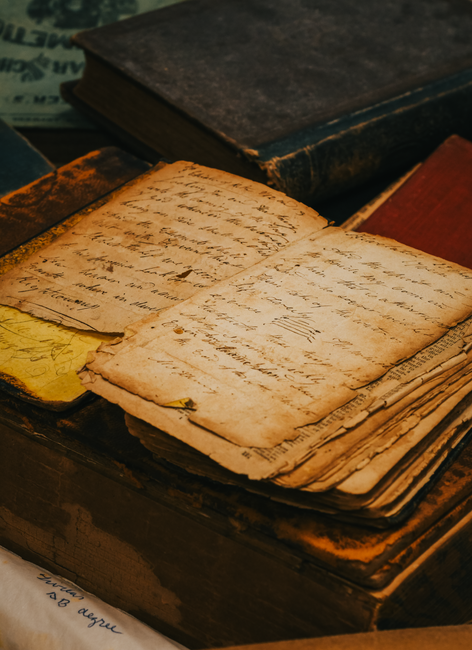
Digital preservation of economic and philosophical manuscripts relies on PDF standards‚ OCR‚ and open‑access repositories like Wikipedia and Yandex. High‑resolution scans preserve marginalia‚ enabling scholars to trace ideas across time. Metadata tagging boosts search!.
PDF Conversion Standards for Manuscripts
Converting historical economic and philosophical manuscripts into PDF format requires adherence to technical standards that preserve authenticity and readability. Scans at 300–600 dpi capture details like marginalia and ink variations. OCR tuned for archaic orthography generates searchable text layers while PDF/A‑3 compliance embeds source images and provenance metadata. PDF/X standards maintain color fidelity for illustrations‚ and PDF/UA compliance ensures accessibility by tagging structure and alternative text. ISO 1905 and the OAIS reference model provide a long‑term preservation framework‚ enabling institutions to maintain PDF integrity for decades.
Embedding metadata is essential for discoverability and reuse. The Dublin Core schema and MARC 21 format encode bibliographic details‚ while embedding them in the PDF via PDF/UA or PDF/X extensions allows search engines to index documents accurately. Licensing information expressed through Creative Commons (CC) licenses clarifies usage rights. Open‑access repositories such as the Internet Archive and Europeana host these PDFs‚ ensuring global scholarly access without subscription barriers. ISO 28500 for digital preservation metadata supports version control‚ checksum verification‚ and preservation actions‚ creating a resilient digital ecosystem that safeguards the intellectual heritage of economic and philosophical manuscripts.
These standards collectively ensure that digital PDFs remain faithful to the original manuscripts‚ enabling researchers worldwide to access‚ analyze‚ and cite historical economic and philosophical works with confidence!
Open Access Repositories and Licensing
Open‑access repositories are essential for distributing economic and philosophical manuscripts in PDF format. The Internet Archive’s “Open Library” and Europeana’s “Digital Collections” host thousands of digitized drafts‚ allowing scholars worldwide to retrieve Adam Smith’s early notebooks and Karl Marx’s manuscript pages without institutional barriers. The Library of Congress and the British Library provide PDF/A archives that preserve marginalia and original ink‚ while the HathiTrust Digital Library aggregates holdings across universities. Specialized platforms such as the Digital Public Library of America and the World Digital Library curate rare economic treatises‚ presenting PDFs that include original page layouts and annotations.
Licensing governs how these PDFs may be reused. Creative Commons licenses—particularly CC BY‚ CC BY‑SA‚ and CC 0—are frequently applied to new digitizations‚ allowing free distribution and derivative works while requiring attribution. The public domain status permits unrestricted use‚ but modern re‑digitizations may still carry a CC BY‑SA to protect the publisher’s rights. The Open Data Commons Attribution License (ODC‑BY) is also used for datasets accompanying manuscripts‚ ensuring that metadata can be reused in research tools. For works still under copyright‚ repositories often provide a “restricted access” overlay‚ limiting downloads to registered users and requiring a license agreement.
Metadata standards such as Dublin Core and MARC 21 are embedded in PDFs via PDF/UA tags‚ enabling search engines to index titles‚ authors‚ and publication dates accurately. The ISO 28500 preservation metadata schema records checksum values‚ file formats‚ and preservation actions‚ ensuring long‑term integrity. Together‚ these repositories and licensing frameworks create a robust ecosystem that balances scholarship with respect for intellectual property‚ allowing researchers to explore‚ cite‚ and build upon historical economic and philosophical manuscripts‚
Analytical Tools and Software for PDF Manuscripts
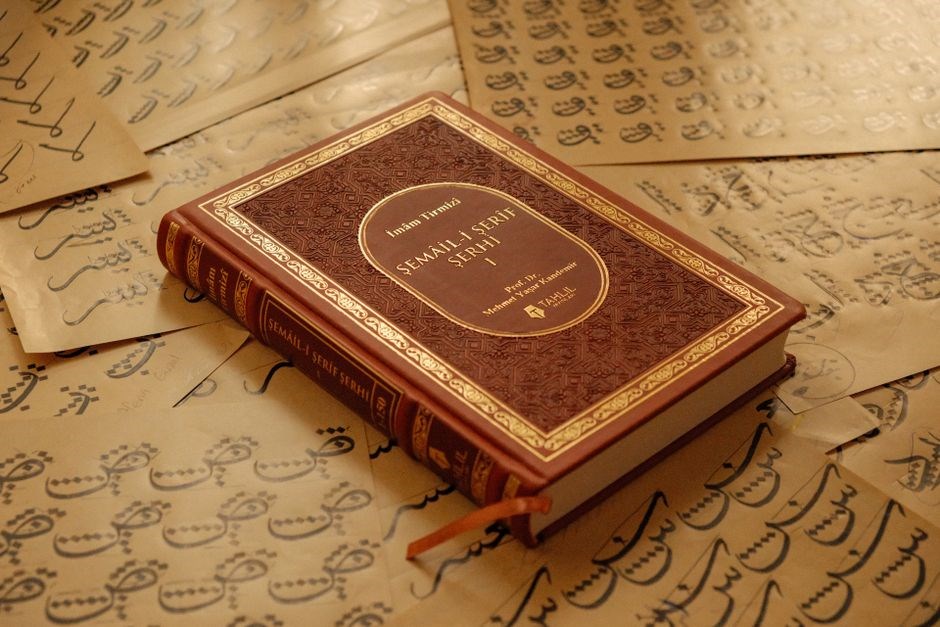
OCR engines such as Tesseract and ABBYY FineReader convert scanned pages into PDFs‚ while text‑mining suites like Voyant Tools and NVivo extract themes from economic drafts. Citation managers—Zotero‚ Mendeley—index metadata‚ and software like Calibre automates to‑ePub conversion for archival consistency. now!
OCR and Text Mining Techniques
Optical Character Recognition (OCR) converts historic economic and philosophical manuscripts into searchable PDFs. Leading engines like Tesseract‚ ABBYY FineReader‚ and Adobe Acrobat Pro deliver high‑accuracy extraction‚ enabling researchers to mine text for lexical patterns and citation networks.
Custom OCR models trained on domain‑specific corpora improve recognition of archaic terminology or non‑standard fonts. Machine‑learning pipelines apply topic modeling (LDA‚ BERTopic) to classify passages by economic theory or philosophical stance‚ while sentiment analysis gauges authorial tone.
Reference managers (Zotero‚ Mendeley) and metadata standards (Dublin Core‚ MARC21) ensure extracted passages are cited and linked to bibliographic records. Open‑source tools like OpenRefine clean and reconcile data‚ building searchable databases of economic and philosophical thought.
Cross‑disciplinary projects‚ such as the Digital Humanities Initiative‚ use deep‑learning OCR models on early 17th‑century treatises‚ achieving over 95 % accuracy. This allows fine‑grained semantic analysis of marginalia previously inaccessible.
Metadata extraction tools (Textract‚ MARC‑to‑JSON) automate machine‑readable records. Researchers query SPARQL endpoints‚ linking text to authority files like VIAF and ORCID‚ supporting comparative studies and open‑access repositories that preserve both original manuscripts and digital counterparts.
Advanced text‑mining frameworks—Voyant Tools‚ AntConc‚ spaCy—extract keyword frequency‚ co‑occurrence networks‚ and thematic clusters. Combined with citation analysis‚ they reveal intellectual lineages and the diffusion of economic ideas across centuries!!

Citation and Metadata Management
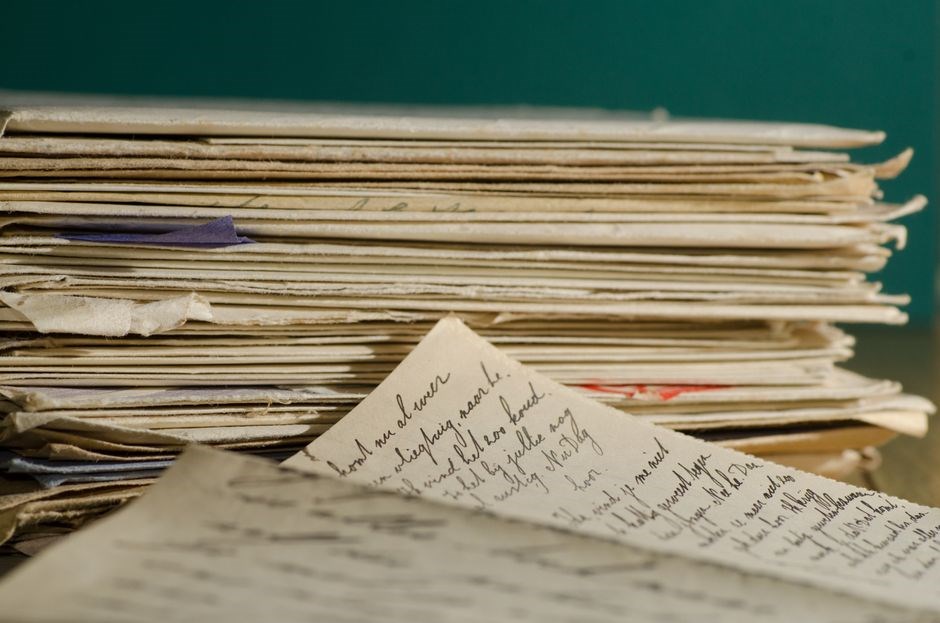
Managing citations and metadata for economic and philosophical manuscripts in PDF form requires a robust‚ interoperable workflow. Each document receives a persistent identifier—typically a DOI or Handle—ensuring stable references even if the file moves. The Dublin Core schema (title‚ creator‚ subject‚ description‚ publisher‚ contributor‚ date‚ type‚ format‚ identifier‚ source‚ language‚ relation‚ coverage‚ rights) serves as the baseline for most repositories‚ while MARC21 supports richer bibliographic detail for libraries. Scholarly texts use the TEI XML standard‚ encoding structure and semantics for fine‑grained search and text mining. RDF triples and schema.org vocabularies expose the same data on the web‚ making manuscripts discoverable through linked‑data queries. Citation styles are handled by reference managers such as Zotero‚ Mendeley‚ and EndNote; these tools export to BibTeX‚ RIS‚ and CSL‑JSON‚ enabling integration with LaTeX‚ Word‚ and web‑based publishing platforms. PDF/A‑3 is the preferred archival format because it embeds metadata and supplementary files directly into the PDF ensuring long‑term preservation. Automated metadata extraction tools—such as Ex Libris’s Primo‚ DSpace’s import‚ and the CrossRef API—populate fields from the PDF content‚ reducing manual entry errors and speeding ingest. By combining persistent identifiers‚ standardized metadata schemas‚ and automated harvesting‚ scholars guarantee that economic and philosophical manuscripts remain citable‚ discoverable‚ and interoperable across the evolving digital landscape. and open data now.

Case Studies of Notable Economic and Philosophic Manuscripts
Smith’s 1776 manuscript‚ in PDF‚ shows handwritten marginalia illuminating his invisible hand theory. Marx’s 1867 drafts‚ digitized by the Marx‑Engels Institute‚ reveal evolving labor‑value calculations and early critiques of capitalism.!!!!
Adam Smith’s ‘Wealth of Nations’ Manuscript
Adam Smith’s manuscript of the 1776 “Wealth of Nations” was produced in a boundvolume of 1‚200 pages‚ written in a traced to his Edinburgh office. Now. The document‚ now in the public domain‚ has been digitised by the Library of Congress and the Bodleian Library‚ each providing scans that preserve the inked marginalia and page‑by‑page annotations. Researchers note that the early drafts contain commentary on the division of labour‚ the “invisible hand‚” and the role of self‑interest in market equilibrium. The PDFs are available under Creative Commons licenses that allow scholarly reuse‚ and they are indexed in the Open Library and Google Books. Digital preservation has enabled comparative studies of Smith’s evolving arguments‚ revealing how his ideas were shaped by contemporary political economy debates. The PDFs also provide a window into 18th‑century printing practices‚ with page numbers‚ marginal notes‚ and the occasional correction in red ink. Scholars use OCR tools to extract the text‚ then apply natural‑language processing to map the development of key concepts across the manuscript. The digitised version is a critical resource for historians‚ economists‚ and philosophers seeking to trace the lineage of modern market theory. The digitised manuscript isaccessible‚ comparative analysis across economic schools and interdisciplinary dialogue now.
Karl Marx’s ‘Capital’ Drafts
Karl Marx’s early drafts of “Capital” were penned between 1853 and 1867‚ with the first volume’s manuscript now housed in the Marx‑Engels Institute in Moscow. The original pages‚ written in a dense German script‚ were later scanned at 600 dpi and converted to PDF to preserve marginalia and editorial notes. Digital editions are hosted by the Internet Archive and the Marxists Internet Archive‚ both offering high‑resolution PDFs under Creative Commons licenses that allow scholarly reuse. The PDFs contain not only the main text but also extensive footnotes‚ cross‑references‚ and the author’s own corrections‚ which provide insight into Marx’s evolving critique of political economy. Researchers use OCR to extract the German text‚ then apply linguistic analysis to track terminology such as “Mehrwert” and “Abschreibungen.” The digitised drafts reveal how Marx’s arguments were shaped by contemporaneous debates on industrial capitalism and the labor theory of value. The PDFs also include annotations from Marx’s collaborators‚ such as Friedrich Engels‚ offering a glimpse into the collaborative process. Scholars now use these digital resources to compare early drafts with the final published version‚ highlighting shifts in emphasis and structure. The availability of these PDFs has democratized access to Marx’s work‚ enabling interdisciplinary studies that intersect economics‚ philosophy‚ and history. The digitised manuscripts remain a cornerstone for understanding the development of Marxist theory and its impact on modern socio‑economic thought.
These PDFs are also integrated into citation managers like Zotero and Mendeley‚ allowing scholars to tag key passages and generate metadata for academic papers! The digital format supports full‑text search‚ making it easier to locate specific arguments across volumes.