The Jack LaLanne Power Juicer, a celebrated kitchen appliance, gained prominence through its association with the fitness icon․
Numerous instruction manuals, like the SSMT1000 and E-1188-1 guides,
detail its operation and maintenance, ensuring users can easily extract nutritious juices․
Historical Context of the Juicer
Jack LaLanne, a pioneer of the modern fitness movement, championed juicing as a vital component of a healthy lifestyle․
His Power Juicer, initially released through TriStar Products, aimed to bring this philosophy into homes across America․
Instruction manuals, dating back to models like the SSMT1000 and E-1188-1, reflect this era’s focus on accessible health solutions․
These guides weren’t just about operation; they were extensions of LaLanne’s message, promoting wellness through fresh juice․
The juicer’s enduring popularity speaks to LaLanne’s lasting influence․
Jack LaLanne’s Philosophy on Juicing
Jack LaLanne believed that juicing provided a concentrated source of vital nutrients, easily absorbed by the body․ He advocated for incorporating fresh juices into a daily routine to boost energy and overall health․
The Power Juicer was designed to facilitate this, making it simple to extract goodness from fruits and vegetables․
Instruction manuals often echoed his emphasis on using fresh, whole ingredients, aligning with his holistic approach to wellness․ LaLanne saw juicing as preventative medicine․

Understanding the Components
The Jack LaLanne Power Juicer comprises a motor base, pulp container, juicing screen with blades, and a feed chute with pusher—all detailed in manuals․
Juicer Base and Motor Unit
The juicer base securely houses the powerful motor, the heart of the Jack LaLanne Power Juicer․ Manuals emphasize proper placement on a stable, level surface for safe operation․
This unit drives the internal components, converting electrical energy into rotational force for juice extraction․
Carefully inspect the base for any damage before each use, as outlined in the operating instructions․
The motor’s performance is crucial for efficient juicing, and maintaining its cleanliness is vital for longevity․
Pulp Container and Collection
The pulp container efficiently collects the fibrous residue remaining after juice extraction․ Instruction manuals detail its secure attachment to the juicer base, preventing spills during operation․ Regular emptying is crucial, as an overfilled container can impede performance․
Proper disposal of the pulp is also addressed, suggesting potential uses in recipes․ Maintaining cleanliness of the container prevents bacterial growth and ensures hygienic juicing․
Juicing Screen and Blade Assembly
The juicing screen and blade assembly are central to the extraction process․ Manuals emphasize careful handling due to the sharp blades․ The screen filters pulp from the juice, ensuring a smooth consistency․ Proper installation, as illustrated in guides, is vital for optimal performance․ Regular inspection for wear and tear is recommended, alongside cleaning to prevent clogging and maintain juice quality․
Feed Chute and Food Pusher
The feed chute and food pusher facilitate safe and efficient produce introduction․ Instruction manuals detail how to properly utilize the pusher, applying gentle, consistent pressure․ Avoid forcing ingredients, which can strain the motor or cause clogging․ The chute’s size accommodates various fruits and vegetables․ Guides advise pre-cutting larger items for smoother juicing․ Always ensure the pusher is engaged when operating for safety․

Assembly Instructions
Proper assembly is crucial for optimal performance․ Manuals illustrate attaching the base securely to the motor, installing the juicing screen correctly, and firmly securing the pulp container․
Attaching the Base to the Motor
Begin by ensuring the motor unit is placed on a stable, level surface․ Carefully align the base with the motor, noting the designated locking points as detailed in your instruction manual․ Gently push the base onto the motor until you hear a distinct ‘click’, indicating a secure connection․
Verify the base is firmly attached by attempting slight movement; it should remain stable․ A loose connection can cause operational issues and potential safety hazards․ Refer to the diagrams in the manual for visual guidance if needed, ensuring correct alignment before proceeding․
Installing the Juicing Screen
Locate the juicing screen, a crucial component for separating juice from pulp․ Align the screen with the designated slot within the juicer base, ensuring the correct side faces upwards as illustrated in the manual․ Gently but firmly press the screen into place until it sits flush against the base․
Confirm a secure fit by lightly pressing on the screen’s surface; it shouldn’t wobble․ A properly installed screen is vital for efficient juicing and prevents pulp from contaminating the juice․ Consult the manual’s diagrams for precise positioning․
Securing the Pulp Container
Position the pulp container onto the rear of the juicer base, aligning the container’s tabs with the corresponding slots on the juicer body․ Push the container firmly until you hear a click, indicating a secure connection․ This prevents pulp from spilling during operation․
Verify the seal by gently attempting to dislodge the container; it should remain firmly attached․ A properly secured pulp container is essential for mess-free juicing․ Refer to the manual’s illustrations for correct placement․

Operating the Jack LaLanne Power Juicer
To operate, prepare produce, feed it into the chute with the pusher, select the appropriate speed, and enjoy fresh juice!
Always consult the instruction manual for detailed guidance․
Preparing Fruits and Vegetables
Before juicing, thoroughly wash all fruits and vegetables to remove any dirt or residue․ Cut larger items into smaller pieces that will easily fit into the feed chute; this prevents strain on the motor․
Remove any inedible parts, such as pits from fruits or tough rind from melons․
Peeling is generally not required, as the juicer extracts nutrients from the skin, but consider peeling citrus fruits for a less bitter juice․
Refer to your Power Juicer instruction manual for specific recommendations regarding different produce types․
Feeding Produce into the Chute
Gently place prepared fruits and vegetables into the feed chute, avoiding overloading․ Allow the juicer to process each piece before adding more․
Maintain a consistent, moderate pressure; do not force the produce down the chute․
The instruction manual emphasizes a steady feed rate for optimal juice extraction and to prevent clogging․
If resistance is met, stop and reverse the motor briefly before continuing․ Always use the food pusher!
Using the Food Pusher Effectively
The food pusher, included with your Jack LaLanne Power Juicer, is crucial for safely guiding produce through the feed chute․
Apply gentle, even pressure with the pusher, never using your hands directly․
The instruction manual advises against forcing the pusher, as this can strain the motor or cause clogging․
Maintain a consistent pace, allowing the juicer to process each item before adding more․
Juicing Speed Settings
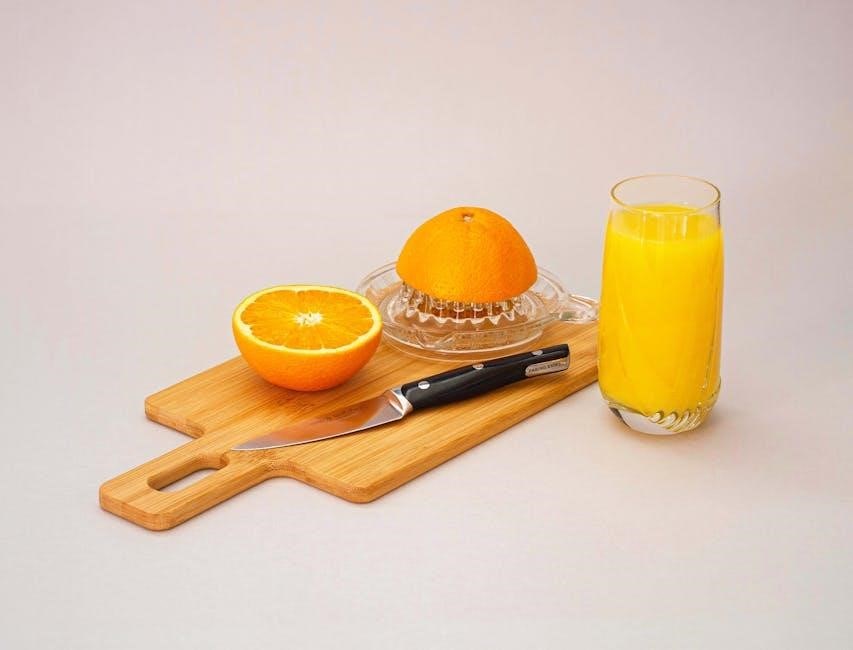
The Jack LaLanne Power Juicer typically features two speed settings: High and Low․ The instruction manual recommends using the Low speed for soft fruits like berries and melons, maximizing juice yield and minimizing foam․ Utilize the High speed for harder vegetables, such as carrots and beets, ensuring efficient extraction․ Experiment to find the optimal speed for different produce combinations․
Juicing Techniques
Effective juicing involves alternating hard and soft produce, layering for optimal extraction, and understanding how different fruits and vegetables respond to the juicer’s power․
Juicing Hard Vegetables (Carrots, Beets)
When juicing harder vegetables like carrots and beets, preparation is key․ Chop them into smaller pieces to ease feeding into the chute and reduce strain on the motor;
Utilize a consistent, moderate feeding speed, allowing the juicer to process each piece effectively․ The food pusher is invaluable here, but avoid excessive force․
Beets, in particular, can produce a vibrant, staining juice, so prompt cleaning is recommended․ Experiment with combinations – carrot and ginger, or beet and apple – for delicious results!
Juicing Soft Fruits (Berries, Melons)
Juicing softer fruits like berries and melons requires a gentle approach․ These fruits contain high water content, so feed them slowly to prevent pulp from becoming overly saturated․
For berries, a small handful at a time works best․ Melons, after being seeded and cubed, can be processed in slightly larger quantities․
Avoid overloading the juicer, as this can reduce juice yield and potentially cause clogging․ Enjoy the naturally sweet and refreshing juices these fruits provide!
Juicing Leafy Greens (Spinach, Kale)
Leafy greens, such as spinach and kale, are nutritional powerhouses, but require a specific juicing technique․ Alternate feeding greens with harder produce like carrots or apples․ This helps the juicer extract maximum juice and prevents clogging․
Fold or slightly bunch the greens before feeding them into the chute․ Don’t pack them tightly, as this can strain the motor․
Expect a slightly drier pulp when juicing greens; this is normal․ Enjoy the vibrant, healthy juice!
Combining Fruits and Vegetables
Combining fruits and vegetables unlocks a symphony of flavors and maximizes nutritional benefits․ Start with a base of vegetables – carrots, celery, or cucumber – to balance the sweetness of fruits like apples or berries․
Gradually introduce fruits to adjust the taste to your preference․ Experiment with ginger or lemon for an extra zest․
Remember, moderation is key; too much fruit can increase sugar content․ Enjoy the creative process and discover your favorite blends!

Cleaning and Maintenance
Prompt cleaning after each use is crucial to prevent pulp from drying and hardening, ensuring optimal performance and longevity of your Jack LaLanne Power Juicer․
Immediate Cleaning After Use
Following each juicing session, immediate disassembly and cleaning are highly recommended․ The fibrous pulp quickly dries, becoming significantly harder to remove from the juicer’s components․
Rinse all parts – the screen, blade, pulp container, and feed chute – under warm water․
A soft brush can aid in removing stubborn residue․
Delaying cleaning complicates the process, potentially impacting the juicer’s efficiency and lifespan․
Prioritize this step for a consistently smooth juicing experience․
Disassembling the Juicer for Cleaning
Before commencing cleaning, ensure the juicer is unplugged for safety․ Detach the pulp container by lifting it upwards․ Next, carefully remove the juicing screen assembly, typically by rotating it counterclockwise․ The blade assembly is integrated within the screen; handle with caution․ Finally, disassemble the feed chute and food pusher․ Refer to your specific model’s manual (SSMT1000 or E-1188-1) for detailed diagrams and instructions, ensuring proper reassembly later․
Washing the Components
Wash all detachable parts – pulp container, screen, blade assembly, feed chute, and pusher – with warm, soapy water․ A soft brush can aid in removing stubborn pulp residue․ Avoid abrasive cleaners, as they may damage the components․ The juicer base should be wiped clean with a damp cloth; never immerse it in water․ Rinse thoroughly and allow all parts to air dry completely before reassembling․ Refer to your model’s manual (SSMT1000/E-1188-1) for specific cleaning guidance․
Drying and Storage
Ensure all components are completely dry before storage to prevent mold or mildew growth․ Lay parts out on a clean towel or drying rack․ Once dry, store the juicer in a cool, dry place․ Keeping the original packaging is ideal for protection․ Avoid stacking heavy items on top of the juicer․ Consult your SSMT1000 or E-1188-1 manual for specific storage recommendations․ Proper drying and storage prolong the juicer’s lifespan and maintain hygiene․

Troubleshooting Common Issues
Addressing operational hiccups is crucial for continued use․ Common problems, like the juicer not turning on or clogging, are detailed in the manual,
along with solutions for wet pulp or excessive noise․
Juicer Not Turning On
If the Jack LaLanne Power Juicer fails to power on, first verify the power cord is securely plugged into a functioning electrical outlet․
Consult the instruction manual for proper grounding procedures to ensure electrical safety․
Check the motor base for any signs of damage or obstructions․
Some models feature a reset button; locate and press it if applicable․
If the issue persists, avoid attempting repairs yourself and contact customer support for assistance, referencing your specific model number (SSMT1000 or E-1188-1)․
Pulp is Too Wet
Excessively wet pulp indicates insufficient juice extraction․ Refer to your Jack LaLanne Power Juicer’s instruction manual for optimal produce preparation techniques․ Ensure fruits and vegetables are cut to the appropriate size for the feed chute․
Experiment with juicing speed settings; slower speeds often yield drier pulp․
Layering softer fruits with harder vegetables can improve extraction efficiency․
Regularly inspect and clean the juicing screen for blockages, as these hinder proper pulp separation․
Juicer is Clogging
Clogging often occurs with fibrous produce or overloading the chute․ Consult your Jack LaLanne Power Juicer instruction manual for recommended feeding rates․ Cut larger items into smaller pieces before juicing․ Alternate between soft and hard fruits/vegetables to prevent buildup․ If clogging happens, immediately turn off the juicer․
Never use your hands to dislodge obstructions; use the provided food pusher․ Thoroughly clean the screen and blade assembly after each use․
Excessive Noise During Operation
Unusual noises can indicate several issues․ Ensure the juicer is assembled correctly, referencing your Jack LaLanne Power Juicer instruction manual․ Check for any loose parts or obstructions within the juicing screen or blade assembly․ Verify the motor base is on a stable, level surface․ Excessive vibration may also contribute to noise; ensure proper component alignment․ If the noise persists, discontinue use and contact customer support․

Safety Precautions
Always ground the electrical connection, avoid touching moving parts during operation, and supervise children closely․ Refer to your Jack LaLanne Power Juicer manual for detailed safety guidelines․
Proper Electrical Grounding
Ensuring proper electrical grounding is paramount for safe operation․ The Jack LaLanne Power Juicer, like most appliances, requires a grounded outlet to minimize the risk of electrical shock;
Never operate the juicer with a damaged cord or plug․
If the outlet is not grounded, consult a qualified electrician to install one․
Improper grounding can lead to malfunction and potential hazards, so always prioritize electrical safety as detailed in the instruction manual․
Avoiding Contact with Moving Parts
Extreme caution is necessary when the Jack LaLanne Power Juicer is in operation․ The juicer contains rapidly moving blades and components․
Never insert hands or utensils into the feed chute while the motor is running․
Always use the provided food pusher to safely guide produce․
Disassemble and clean the juicer only when it is completely powered off, preventing accidental contact with potentially hazardous moving parts, as outlined in the manual․
Supervising Children During Operation
The Jack LaLanne Power Juicer is not intended for use by children․ Close and constant supervision is essential when the appliance is used near children․
Never allow children to operate or play with the juicer․
Keep the juicer and its cord out of reach of children․
Thoroughly review the instruction manual’s safety guidelines to ensure a safe environment and prevent potential injuries during operation․
Advanced Juicing Tips
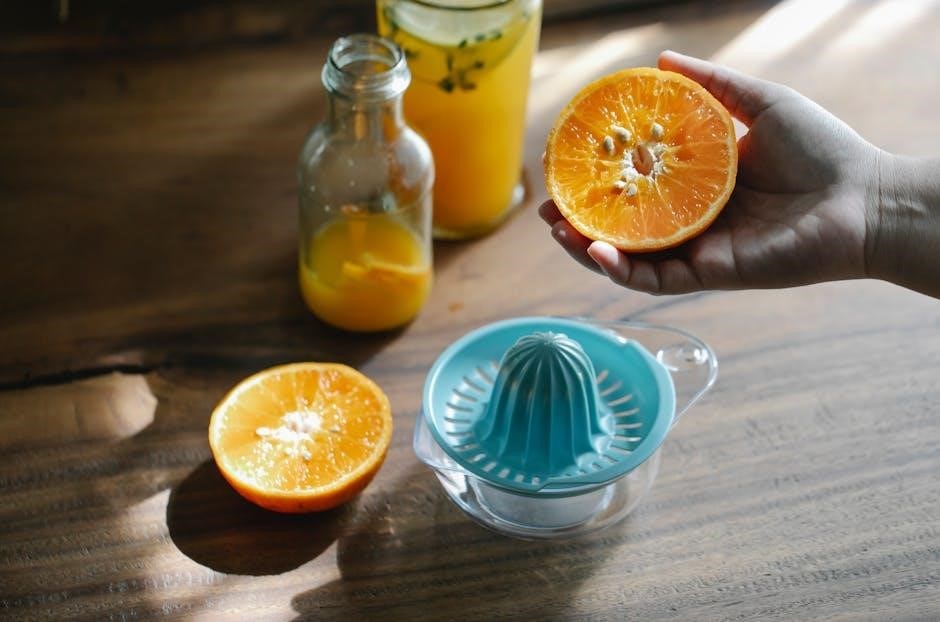
Maximize juice extraction by layering produce strategically․ Utilize the pulp for recipes, and store fresh juice properly to retain nutrients, as detailed in guides․
Layering Produce for Optimal Extraction
To achieve the highest juice yield with your Jack LaLanne Power Juicer, consider the order in which you introduce ingredients․ Begin with softer fruits like berries or melons, followed by leafy greens such as spinach or kale․
Finally, incorporate harder vegetables like carrots or beets․ This layering technique prevents clogging and ensures efficient extraction․ Alternating between soft and hard produce allows the juicer to process everything effectively, maximizing the amount of juice obtained from each piece of fruit or vegetable․
Using the Pulp for Other Recipes
Don’t discard the pulp! The fiber-rich byproduct of juicing with your Jack LaLanne Power Juicer is incredibly versatile․ It can be incorporated into various recipes, reducing waste and boosting nutritional intake․
Consider adding pulp to muffins, breads, or veggie burgers for added texture and nutrients․ It also works wonderfully in soups or stews as a thickening agent․ Experiment and discover creative ways to utilize this valuable resource!
Storing Freshly Made Juice
Maximize freshness! While best consumed immediately, juice from your Jack LaLanne Power Juicer can be stored briefly․ Pour it into an airtight glass container, minimizing air exposure․ Refrigerate promptly; oxidation diminishes nutrient content and flavor․
Ideally, consume within 24 hours for optimal benefits․ Some separation may occur – simply shake before drinking․ Avoid plastic containers, as they can leach chemicals into the juice․
Model Variations and Compatibility
Different models exist! The SSMT1000, E-1188-1, and Power Juicer Pro have slight variations, but share core functionality․
Ensure your instruction manual matches your specific unit․
SSMT1000 Model Specifics
The TriStar Deluxe Jack LaLanne’s Power Juicer SSMT1000 is a widely recognized model․ Its operating manual provides detailed guidance on assembly, operation, and cleaning procedures․
Users should carefully review the manual before initial use, paying close attention to component identification and proper locking mechanisms․
The SSMT1000 features a robust motor and efficient juicing screen, designed for extracting juice from a variety of fruits and vegetables․
Troubleshooting sections within the manual address common issues like clogging or the juicer failing to start, offering practical solutions for maintaining optimal performance․
E-1188-1 Model Specifics
The Jack LaLanne’s POWER JUICER E-1188-1 model’s instruction manual emphasizes safe operation and thorough cleaning․ It details the proper assembly of components, including the base, screen, and pulp container․
Users are advised to consult the manual for guidance on preparing produce and utilizing the food pusher effectively․
The manual also includes troubleshooting tips for addressing issues like excessive noise or a juicer that won’t power on, ensuring a long-lasting and efficient juicing experience․
Power Juicer Pro Differences
The Power Juicer Pro’s instruction manual highlights enhanced features compared to earlier models․ It stresses the importance of immediate cleaning after each use to prevent pulp from hardening, a common issue․
The manual details a slightly modified assembly process and emphasizes the Pro model’s increased power for juicing harder vegetables․
Users should refer to the Pro-specific guide for optimal performance and to understand the unique benefits of this upgraded juicing system․
Resources and Support
Finding support for your Jack LaLanne Power Juicer is easy! Online instructional videos, downloadable manuals (SSMT1000, E-1188-1), and customer support are readily available․
Finding Replacement Parts
Locating replacement parts for your Jack LaLanne Power Juicer can extend its lifespan significantly․ While official TriStar support may vary, numerous online retailers specialize in appliance parts․ Searching for specific model numbers – like SSMT1000 or E-1188-1 – is crucial for compatibility․ Common replacements include juicing screens, pulp containers, and food pushers․ Online forums dedicated to the juicer often share sourcing tips and part numbers, offering a community-driven approach to finding what you need․ Careful research ensures a proper fit and continued juicing enjoyment․
Online Instructional Videos
Numerous online instructional videos demonstrate the Jack LaLanne Power Juicer’s operation, offering visual guidance beyond the manual․ Platforms like YouTube host content ranging from initial setup to advanced juicing techniques․ Videos showcase proper disassembly for cleaning, troubleshooting common issues, and maximizing juice extraction․ Upscaled versions, even in 4K, provide clarity․ Lynda Gentile’s demonstrations are particularly helpful․ These resources supplement the printed instruction manual, catering to diverse learning styles and ensuring successful juicing experiences․
Contacting Customer Support
While the Jack LaLanne Power Juicer is durable, occasional support needs may arise․ Direct contact information for dedicated customer support is often limited due to the product’s age․ However, resources exist through TriStar, the manufacturer․ Online forums and communities dedicated to the juicer can provide peer-to-peer assistance․ Referencing your specific model number (SSMT1000, E-1188-1) when seeking help is crucial․ The instruction manual itself may contain limited contact details․