Understanding the Low Glycemic Diet
A low-glycemic index (low-GI) diet centers on how foods affect blood sugar, ranking them from 0 to 100. This approach aids in managing blood glucose levels effectively.
What is the Glycemic Index (GI)?
The Glycemic Index (GI) is a numeric scale, ranging from 0 to 100, that measures how quickly a carbohydrate-containing food raises blood glucose levels after consumption. Foods with a GI of 55 or less are considered low-GI, those between 56 and 69 are medium-GI, and 70 or higher are high-GI.
Essentially, it’s a ranking system based on how dramatically a food impacts your blood sugar. Understanding the GI helps individuals make informed food choices, particularly those managing diabetes or aiming for weight control. It’s a crucial component when considering a low glycemic diet food list PDF, as it guides selection towards foods that promote stable energy and blood sugar.
How Does GI Affect Blood Sugar?
The Glycemic Index (GI) directly influences blood sugar levels by dictating the speed at which carbohydrates are digested and absorbed. High-GI foods cause a rapid spike in blood glucose, triggering a large insulin response. Conversely, low-GI foods lead to a slower, more gradual rise, promoting sustained energy.
This impacts overall health; frequent spikes can contribute to insulin resistance and increased risk of type 2 diabetes. A low glycemic diet food list PDF emphasizes choosing foods that minimize these fluctuations. Stable blood sugar levels are vital for weight management, energy, and preventing chronic diseases, making GI a key consideration.
Glycemic Load (GL) vs. Glycemic Index
While the Glycemic Index (GI) ranks foods based on their impact on blood sugar, Glycemic Load (GL) provides a more complete picture. GL considers both the GI and the amount of carbohydrate in a serving. A low glycemic diet food list PDF often includes GL values for better food choices.
For example, watermelon has a high GI, but a relatively low GL because it contains a lot of water. GL is calculated by multiplying the GI by the grams of carbohydrate and dividing by 100. Using GL alongside GI offers a more practical approach to managing blood sugar and making informed dietary decisions.

Foods to Include in a Low Glycemic Diet
Embrace non-starchy vegetables, berries, lean proteins, healthy fats, and whole grains like quinoa and oats for a balanced, low-GI food plan.
Non-Starchy Vegetables
Non-starchy vegetables are cornerstones of a low glycemic diet, offering essential nutrients with minimal impact on blood sugar levels. Leafy greens like spinach, kale, and lettuce are incredibly versatile and low in carbohydrates, making them ideal for frequent consumption. Cruciferous vegetables – broccoli, cauliflower, and cabbage – provide fiber and support overall health.
Beyond these, bell peppers, onions, and mushrooms also contribute to a low-GI meal plan. These vegetables are packed with vitamins, minerals, and antioxidants, promoting satiety and aiding in weight management. Incorporating a variety of non-starchy vegetables ensures a diverse nutrient intake and keeps meals interesting, supporting long-term adherence to the diet.
Leafy Greens (Spinach, Kale, Lettuce)
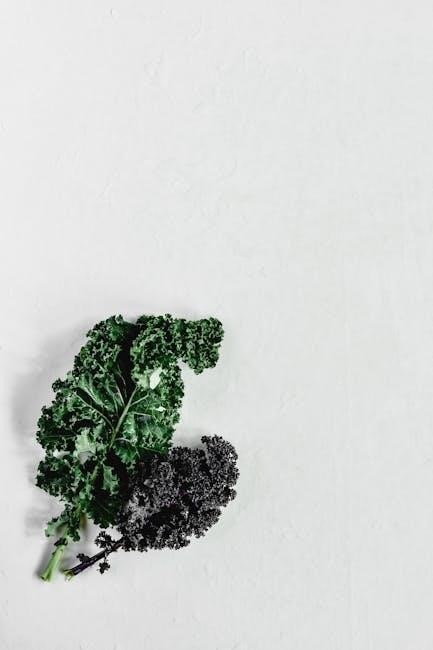
Spinach, kale, and lettuce are nutritional powerhouses and excellent choices for a low glycemic diet. These leafy greens are exceptionally low in carbohydrates and boast a negligible effect on blood sugar levels. They’re brimming with vitamins A, C, and K, alongside essential minerals like iron and calcium, contributing to overall well-being.
Their versatility allows for easy integration into salads, smoothies, or as a side dish. Consuming these greens promotes fullness, aiding in weight management, and provides sustained energy. Regularly including leafy greens supports stable blood sugar, making them a fundamental component of a healthy, low-GI lifestyle.
Cruciferous Vegetables (Broccoli, Cauliflower, Cabbage)
Broccoli, cauliflower, and cabbage are fantastic additions to a low glycemic diet, offering a wealth of health benefits. These vegetables are low in carbohydrates and possess a minimal impact on blood sugar levels, making them ideal for maintaining stable glucose control. They are rich in fiber, promoting satiety and aiding in weight management.
Furthermore, cruciferous vegetables contain compounds linked to reduced cancer risk and improved heart health. Enjoy them steamed, roasted, or stir-fried as a nutritious side dish. Incorporating these into your meals supports overall wellness and contributes to a balanced, low-GI eating plan.
Other Low-GI Vegetables (Bell Peppers, Onions, Mushrooms)
Bell peppers, onions, and mushrooms are versatile vegetables that fit seamlessly into a low glycemic diet. They contribute minimal carbohydrates and have a negligible effect on blood sugar, supporting stable glucose levels. These vegetables are packed with essential vitamins, minerals, and antioxidants, boosting overall health.
Bell peppers offer a vibrant crunch, while onions add savory depth to dishes, and mushrooms provide an umami flavor. Enjoy them roasted, sautéed, or added to salads and stir-fries. Their inclusion enhances meal variety and supports a balanced, low-GI approach to eating, promoting wellness.

Fruits with a Low Glycemic Impact
Incorporating fruits into a low glycemic diet is possible with mindful choices. Berries, apples, pears, and citrus fruits offer natural sweetness without causing significant blood sugar spikes. These fruits are rich in fiber, which slows down carbohydrate absorption, promoting stable glucose levels.
Berries, like strawberries, blueberries, and raspberries, are particularly beneficial due to their antioxidant properties. Apples and pears provide a satisfying crunch, while oranges and grapefruit offer a refreshing zest. Enjoy these fruits as snacks or additions to meals for a healthy and delicious boost.
Berries (Strawberries, Blueberries, Raspberries)
Berries stand out as exceptional choices for a low glycemic diet, offering a delightful sweetness alongside numerous health benefits. Strawberries, blueberries, and raspberries boast a relatively low GI, making them ideal for stabilizing blood sugar levels. They are packed with antioxidants, vitamins, and fiber, contributing to overall wellness.
The fiber content in berries slows down carbohydrate absorption, preventing rapid glucose spikes. Enjoy them as a standalone snack, add them to yogurt or oatmeal, or blend them into smoothies for a nutritious and satisfying treat. Berries are a versatile and delicious way to support a healthy lifestyle.
Apples and Pears
Apples and pears are excellent fruit choices for individuals following a low glycemic diet, providing a satisfying crunch and natural sweetness without causing significant blood sugar fluctuations. These fruits possess a moderate GI, especially when consumed with their skin intact, which is rich in fiber.
The fiber content slows down sugar absorption, promoting stable glucose levels. Enjoy them as a snack, slice them into salads, or bake them for a healthy dessert. Choosing varieties like Granny Smith apples or Bosc pears can further minimize their glycemic impact. They contribute to overall health and well-being.
Citrus Fruits (Oranges, Grapefruit)
Citrus fruits like oranges and grapefruit are valuable additions to a low glycemic diet, offering a burst of Vitamin C and a refreshing flavor profile. They generally have a lower GI compared to many other fruits, making them suitable for blood sugar management. The fiber content within these fruits aids in slowing down glucose absorption, contributing to more stable levels.
Enjoy them as a morning snack, add segments to salads, or juice them (in moderation) for a revitalizing beverage. Grapefruit, in particular, may offer additional metabolic benefits. Incorporating citrus fruits supports overall health and dietary variety.
Protein Sources for a Low GI Diet
Prioritizing protein is crucial on a low glycemic index diet, as it has minimal impact on blood sugar levels and promotes satiety. Lean meats like chicken, turkey, and fish are excellent choices, providing essential amino acids without significantly raising glucose. Legumes – lentils, beans, and chickpeas – are plant-based powerhouses, rich in both protein and fiber, resulting in a very low GI.
Eggs are another versatile and affordable protein source. Including adequate protein in each meal helps stabilize blood sugar, manage weight, and support overall health.
Lean Meats (Chicken, Turkey, Fish)
Chicken, turkey, and fish are staples of a low-GI diet due to their high protein content and negligible carbohydrate impact. Opting for lean cuts – skinless chicken breast, ground turkey, and white fish like cod or halibut – minimizes fat intake while maximizing protein benefits. Protein aids in stabilizing blood sugar levels, promoting fullness, and supporting muscle mass.
These meats can be prepared in various ways – grilled, baked, or steamed – avoiding sugary marinades or breaded coatings. Incorporating these protein sources into meals ensures sustained energy and helps manage overall glycemic control.
Legumes (Lentils, Beans, Chickpeas)
Legumes, including lentils, beans, and chickpeas, are nutritional powerhouses ideal for a low-glycemic diet. They boast a low GI – lentils around 21 – coupled with a high fiber and protein content. This combination slows down glucose absorption, preventing blood sugar spikes and promoting satiety.
Legumes are incredibly versatile; add them to salads, soups, stews, or enjoy them as a side dish. Their fiber content also supports digestive health and contributes to weight management, making them a valuable addition to a balanced, low-GI meal plan.
Eggs

Eggs are a fantastic protein source and naturally fit into a low-glycemic diet, possessing a negligible impact on blood sugar levels. They have a GI of zero, making them a versatile and healthy choice for any meal.
Rich in essential nutrients, eggs contribute to sustained energy and help keep you feeling full, reducing cravings for high-GI foods. Enjoy them boiled, scrambled, poached, or as an ingredient in various dishes. Incorporating eggs into your diet supports overall health and simplifies maintaining stable blood glucose levels.
Healthy Fats
Incorporating healthy fats is crucial for a balanced low-glycemic diet, promoting satiety and supporting overall well-being. Unlike carbohydrates, fats have minimal impact on blood sugar levels, aiding in stable glucose control.
Prioritize sources like avocados, nuts, seeds, and olive oil. These provide essential fatty acids and contribute to heart health. Healthy fats slow down digestion, preventing rapid spikes in blood sugar after meals. They also enhance nutrient absorption and contribute to sustained energy levels, making them a vital component of a low-GI eating plan.
Avocados
Avocados are a nutritional powerhouse, perfectly suited for a low-glycemic diet due to their minimal carbohydrate content and high healthy fat profile. They boast a very low GI, typically around 15, making them an excellent choice for stabilizing blood sugar levels.

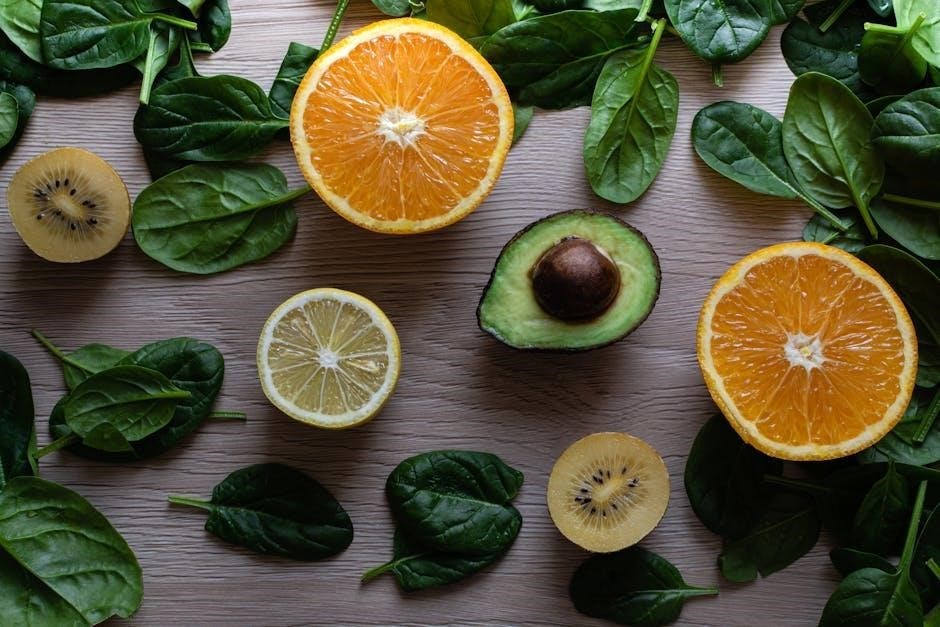
Rich in monounsaturated fats, avocados promote heart health and increase feelings of fullness, aiding in weight management. They also provide fiber, further contributing to blood sugar control. Enjoy avocados in salads, as a spread on whole-grain toast, or added to smoothies for a creamy texture and sustained energy.
Nuts and Seeds
Nuts and seeds are fantastic additions to a low-glycemic diet, offering a satisfying crunch alongside a wealth of health benefits. They possess a low GI, generally ranging from 14 to 30, depending on the variety, and contribute to stable blood sugar levels.
Packed with healthy fats, fiber, and protein, nuts and seeds promote satiety and support weight management. Options like almonds, walnuts, chia seeds, and flaxseeds are particularly beneficial. Enjoy them as a snack, sprinkle them on salads, or incorporate them into your breakfast for a nutritional boost and sustained energy throughout the day.
Olive Oil
Olive oil, especially extra virgin olive oil, is a cornerstone of a healthy, low-glycemic diet due to its beneficial fat profile and minimal impact on blood sugar. It boasts a GI of zero, making it an excellent choice for cooking, salad dressings, and drizzling over meals.
Rich in monounsaturated fats, olive oil supports heart health and improves insulin sensitivity. It also contains antioxidants that combat inflammation. Incorporating olive oil into your diet can contribute to weight management and overall well-being. Choose high-quality, cold-pressed olive oil to maximize its nutritional benefits and flavor.
Whole Grains & Alternatives
When embracing a low-glycemic diet, selecting the right carbohydrates is crucial. Traditional refined grains are often high on the GI scale, but several whole grain alternatives offer a more favorable impact on blood sugar.
Quinoa, a complete protein source, has a GI around 53, making it a fantastic choice. Oats (steel-cut or rolled, not instant) provide sustained energy with a GI of approximately 55. Millets, gaining popularity, are nutrient-dense and boast a low GI, aiding in stabilizing blood sugar and offering a lighter food option.
Quinoa
Quinoa stands out as a nutritional powerhouse and a superb addition to a low-glycemic diet. Unlike many grains, quinoa is a complete protein, containing all nine essential amino acids. Its glycemic index (GI) typically falls around 53, making it a significantly better choice than white rice or refined grains.
This versatile seed-like grain can be incorporated into various dishes – salads, side dishes, or even as a breakfast alternative. Quinoa’s fiber content further contributes to its low GI, promoting fullness and aiding in stable blood sugar levels. It’s a fantastic option for sustained energy.
Oats (Steel-Cut or Rolled)
Oats, particularly steel-cut or rolled varieties, are a breakfast staple that aligns well with a low-glycemic approach. They boast a lower GI compared to instant oatmeal, generally ranging between 55 and 60. This is due to their slower digestion rate and higher fiber content.
Choosing steel-cut oats offers the lowest GI, followed closely by rolled oats. Avoid pre-sweetened or flavored varieties, as these often contain added sugars. Enjoy oats with berries, nuts, or seeds for a nutritious and satisfying meal that supports stable blood sugar levels and sustained energy throughout the morning.
Millets
Millets are a group of ancient grains gaining popularity as a low-glycemic alternative to rice and wheat. They offer a wealth of nutritional benefits and are incredibly versatile in the kitchen. Different types of millets, like pearl millet, foxtail millet, and sorghum, generally have a GI ranging from 50 to 65, making them suitable for a low-GI diet.
These grains are rich in fiber, which slows down glucose absorption, preventing spikes in blood sugar. Incorporate millets into your diet as a side dish, in salads, or even as a base for porridge. They’re a fantastic way to diversify your meals and support overall health.

Foods to Limit or Avoid
To maintain stable blood sugar, limit sugary drinks, processed foods, white bread, and white rice. Russet potatoes should also be consumed sparingly on this diet.
Sugary Drinks
Sugary drinks are among the most significant contributors to rapid blood sugar spikes and should be drastically limited or entirely avoided on a low glycemic diet. This includes sodas, fruit juices (even 100% juice), sweetened teas, sports drinks, and energy drinks. These beverages often contain high amounts of refined sugars, leading to a quick and substantial increase in blood glucose levels.
The quick surge is followed by a rapid drop, potentially causing energy crashes and increased cravings. Opting for water, unsweetened herbal teas, or sparkling water with a slice of lemon or lime are excellent alternatives. These choices provide hydration without the detrimental effects on blood sugar control, supporting the goals of a low glycemic eating plan and overall health.
Processed Foods
Highly processed foods generally pose a challenge for those following a low glycemic diet due to their often hidden sugars, refined grains, and unhealthy fats. These items, including packaged snacks, fast food, and many pre-made meals, frequently lack the fiber that slows down sugar absorption. This leads to quick blood sugar spikes, counteracting the diet’s objectives.
Ingredients like high-fructose corn syrup, white flour, and artificial sweeteners contribute to this effect. Prioritizing whole, unprocessed foods – fresh fruits, vegetables, lean proteins, and whole grains – is crucial. Reading food labels carefully to identify added sugars and refined ingredients is also essential for making informed choices.
White Bread and Rice
Both white bread and white rice are rapidly digested, causing a significant and swift rise in blood sugar levels. This is because the refining process removes the bran and germ, stripping away much of the fiber and nutrients that slow down glucose absorption. Consequently, these foods have a high glycemic index (GI) and should be limited or avoided on a low-GI diet.
Opting for whole-grain alternatives like whole-wheat bread or brown rice provides a much slower and more sustained release of glucose. These options retain their fiber content, promoting better blood sugar control and overall health. Consider quinoa or millets as even lower-GI alternatives.
Potatoes (Especially Russet)
Potatoes, particularly the russet variety, generally have a high glycemic index (GI), leading to a rapid increase in blood sugar levels after consumption. This is due to their high starch content and how quickly that starch is converted to glucose during digestion. While not entirely off-limits, portion control is crucial when including potatoes in a low-GI diet.
Consider alternatives like sweet potatoes, which have a lower GI, or pair regular potatoes with protein and healthy fats to slow down glucose absorption. Cooking methods also matter; boiling potatoes can result in a lower GI than baking or frying.

Benefits of a Low Glycemic Diet
A low-GI diet supports weight loss, manages diabetes, and improves energy levels by stabilizing blood sugar and reducing excess fat accumulation effectively.
Weight Management
Adopting a low glycemic diet can be a powerful tool for effective weight management. Foods with a lower GI are digested and absorbed more slowly, leading to a gradual rise in blood sugar and insulin levels. This sustained energy release helps to control hunger and reduce cravings for sugary or processed foods.
By prioritizing low-GI options like lentils, non-starchy vegetables, and whole grains, individuals can feel fuller for longer, naturally reducing overall calorie intake. Furthermore, the diet aids in burning calories and reducing excess fat in areas like the thighs, arms, and stomach, contributing to a healthier body composition. It’s a sustainable approach to achieving and maintaining a healthy weight.
Diabetes Management
For individuals managing diabetes, a low glycemic diet is exceptionally beneficial. It directly addresses the core issue of blood sugar control, a critical aspect of the condition. By selecting foods that cause a slower and more moderate rise in blood glucose, the diet minimizes spikes and crashes, reducing the strain on the body’s insulin response.
Experts frequently advise those with diabetes to prioritize low-GI foods. This dietary approach helps improve insulin sensitivity and overall glycemic control, potentially reducing the need for medication. Consistent adherence to a low-GI eating plan can significantly contribute to long-term health and well-being for individuals living with diabetes.
Improved Energy Levels
Fluctuations in blood sugar can lead to energy crashes and fatigue. A low glycemic diet combats this by providing a sustained release of glucose into the bloodstream. Unlike high-GI foods that cause rapid spikes and subsequent drops, low-GI options offer a more stable energy source throughout the day.
This consistent energy supply translates to improved focus, concentration, and overall vitality. By avoiding the rollercoaster of sugar highs and lows, individuals often experience reduced feelings of sluggishness and increased stamina. Embracing a low-GI approach can be a powerful tool for maintaining consistent energy levels and enhancing daily performance.

Resources for a Low Glycemic Diet Food List PDF
Numerous online databases, mobile apps, and registered dietitians offer comprehensive low-glycemic food lists in PDF format, aiding dietary planning.
Online Databases and Charts
Several websites provide extensive, searchable databases detailing the glycemic index and glycemic load of various foods. These resources are invaluable for constructing a low-glycemic diet plan. Harvard Medical School’s website offers a comprehensive GI and GL database, allowing users to quickly identify suitable food choices. The University of Sydney’s Glycemic Index Research Service (SUGiRS) is another authoritative source, providing detailed information and research findings.
Many of these databases present information in chart format, making it easy to compare foods and understand their impact on blood sugar levels. Look for resources that categorize foods by type – fruits, vegetables, grains, proteins – for streamlined meal planning. Regularly updated databases ensure accuracy, reflecting the latest research on glycemic values.
Mobile Apps
Numerous mobile applications are designed to simplify following a low-glycemic diet, offering convenient access to food lists and nutritional information. These apps often feature searchable databases, allowing users to quickly determine the GI and GL of specific foods while grocery shopping or meal prepping. Many include barcode scanners for instant analysis of packaged products.
Some apps also provide personalized meal planning tools, generating recipes and shopping lists based on individual dietary needs and preferences. Features like carb counting and blood sugar tracking can further enhance dietary management. Popular options include Glycemic Index & Load, and others dedicated to diabetes management, often incorporating low-GI principles.
Dietitian Consultation
For a truly personalized approach to a low-glycemic diet, consulting a registered dietitian is invaluable. They can assess individual health needs, considering factors like existing medical conditions, activity levels, and dietary preferences to create a tailored meal plan. A dietitian can help navigate the complexities of GI and GL, ensuring a balanced and sustainable eating pattern.
They provide expert guidance on interpreting food lists and understanding portion sizes, addressing specific challenges and offering ongoing support. Dietitians can also assist with managing diabetes or weight loss goals through a low-GI approach, offering practical strategies and accountability.