Libras accessibility, particularly via PDF resources, is crucial for the Deaf community, offering user-friendly access to vital communication tools and research materials․
PDF documents facilitate the dissemination of Libras grammar, corpora, sign banks, and literary anthologies, enhancing learning and linguistic study for all involved․
These resources empower researchers and educators, fostering a deeper understanding and wider adoption of Libras through readily available, digital documentation․
What is Libras?
Libras, or Língua Brasileira de Sinais, is the official sign language of Brazil, a vibrant and complex language utilized by the Deaf community for comprehensive communication․ It’s not merely a signed version of Portuguese; Libras possesses its own distinct grammar, syntax, and lexicon, evolving naturally within Deaf culture․
The increasing availability of Libras resources in PDF format is revolutionizing access to this language․ These documents provide structured learning materials, from foundational grammar guides to extensive sign dictionaries, making Libras education more accessible than ever before․ PDFs allow for easy distribution and offline access, crucial for communities with limited internet connectivity․
Furthermore, PDFs are instrumental in preserving and disseminating Libras literary works and research, ensuring the language’s continued growth and recognition․ The format’s versatility supports both visual and textual elements, catering to diverse learning styles and promoting inclusivity within the Deaf community․ This digital preservation is vital for future generations․
The Importance of Accessibility for the Deaf Community
Accessibility for the Deaf community extends far beyond simply providing captions; it necessitates equitable access to information in their native language – Libras․ The availability of Libras resources in accessible PDF formats is therefore paramount, breaking down communication barriers and fostering full societal inclusion․
PDFs, when properly designed with accessibility in mind, can incorporate features like tagged text, alternative text for images, and logical reading order, ensuring compatibility with screen readers and other assistive technologies․ This allows Deaf individuals to independently access educational materials, legal documents, and vital public information․
Without such accessibility, the Deaf community faces systemic disadvantages in education, employment, and civic participation․ Providing Libras content via accessible PDFs isn’t merely a matter of convenience; it’s a fundamental human right, empowering Deaf individuals and promoting a more just and equitable society․ Usability considerations are key․
The Role of PDF Documents in Libras Dissemination
PDF documents play a critical role in the widespread dissemination of Libras resources, offering a stable and universally compatible format for sharing linguistic data and educational materials․ Their portability ensures access across diverse devices and platforms, reaching a broader audience within the Deaf community and beyond․
Specifically, PDFs are ideal for distributing complex linguistic information like Libras grammar guides, detailed sign inventories (Sign Banks), and comprehensive corpora․ The format allows for the inclusion of both visual elements – crucial for sign language representation – and accompanying textual explanations․
Furthermore, PDFs facilitate the archiving and preservation of Libras literary works and research findings․ This ensures long-term accessibility and supports ongoing linguistic study․ The ability to embed multimedia elements within PDFs also opens possibilities for interactive learning experiences, enhancing engagement and comprehension․

Libras Digital Resources: A Comprehensive Overview
PDFs are central to accessing Libras resources, including grammar guides, linguistic corpora, sign banks, and literary collections, fostering language learning and research․
Libras Grammar Resources in PDF Format
PDF documents serve as invaluable repositories for Libras grammar, offering structured learning materials for students and researchers alike․ These resources meticulously detail the unique linguistic features of Libras, moving beyond simple glosses to explain the intricacies of its formation and usage․
Comprehensive PDF guides often cover phonological parameters – handshape, movement, location, and palm orientation – essential for accurate sign production and comprehension․ They delve into the grammatical structure, including non-manual markers like facial expressions and body posture, which significantly contribute to meaning․
Furthermore, PDFs provide detailed explanations of Libras sentence structure, classifiers, and spatial referencing, offering practical examples and exercises to reinforce understanding․ The accessibility of these materials in PDF format allows for easy distribution, printing, and annotation, making them ideal for both individual study and classroom instruction․ They are foundational for anyone seeking a robust grasp of Libras grammar․
Libras Corpus Availability as PDFs
Libras corpora, collections of real-world sign language data, are increasingly available in PDF format, though often as accompanying documentation or indices rather than the full video data itself․ These PDFs typically provide metadata about the corpus, detailing its size, content, and the methodology used for its creation․
Researchers utilize these PDF resources to navigate and understand the structure of larger digital corpora, often hosted separately․ PDFs may include glossaries of signs used within the corpus, transcriptions of signed interactions, and information about the signers involved – age, gender, regional dialect․
While the video data itself isn’t usually embedded in PDFs due to file size limitations, these accompanying documents are crucial for effective corpus analysis․ They enable linguists to study Libras usage patterns, identify grammatical variations, and develop more accurate language models․ Access to these PDF-based resources is vital for advancing Libras linguistic research․
The Sign Bank: Accessing Sign Data in PDF
Libras Sign Banks, repositories of individual signs with associated data, frequently utilize PDF documents to present information in a structured and accessible manner․ While the signs themselves are typically demonstrated through video, PDFs serve as essential supplementary materials․
These PDFs often contain detailed descriptions of each sign, including its gloss (a written representation of the sign’s meaning), handshape, movement, location, and palm orientation․ They may also include illustrative diagrams or images to clarify the sign’s execution․ Furthermore, contextual examples demonstrating the sign’s usage in sentences are often provided․
The PDF format allows for easy distribution and archiving of this sign data, making it readily available to learners, researchers, and interpreters․ Though not replacing the visual component, these PDF resources significantly enhance understanding and facilitate accurate Libras communication․ They are a cornerstone of Libras documentation․
Literary Anthology of Libras: PDF Collections
PDF collections of Libras literary works are emerging as vital resources, bridging the gap between Deaf culture and wider literary appreciation․ These anthologies showcase the expressive potential of Libras, moving beyond simple translation and embracing the language’s unique poetic qualities․
Typically, these PDFs present poems, stories, and theatrical pieces originally created in Libras, often accompanied by glosses or interlinear translations for those unfamiliar with the language․ Crucially, they frequently include links to video performances of the works, allowing viewers to experience the full artistry of the Libras rendition․
The PDF format facilitates the preservation and dissemination of these culturally significant texts, ensuring accessibility for Deaf communities and promoting a deeper understanding of Libras as a rich and vibrant literary language․ These collections are invaluable for both study and enjoyment․

VLibrasBD and Neural Machine Translation (NMT)
VLibrasBD, a key dataset, fuels Neural Machine Translation (NMT) models for Brazilian Portuguese to Libras translation, often accessed and documented in PDF reports․
Understanding VLibrasBD as a Key Dataset
VLibrasBD stands as a foundational resource for advancing research in Brazilian Sign Language (Libras) and its computational processing․ This comprehensive dataset, frequently documented and shared in PDF format for accessibility, provides a wealth of paired data – Brazilian Portuguese sentences alongside their corresponding Libras glosses and video recordings of signed utterances․
Its significance lies in its scale and quality, enabling the training of robust Neural Machine Translation (NMT) models․ Researchers utilize VLibrasBD to develop systems capable of automatically translating text from Portuguese into Libras, bridging communication gaps for the Deaf community․ The dataset’s structure allows for detailed analysis of linguistic features, contributing to a deeper understanding of Libras grammar and semantics․
Furthermore, VLibrasBD’s availability in digital formats, including links to related PDF publications detailing its creation and usage, promotes collaboration and reproducibility in research․ It serves as a benchmark for evaluating the performance of different NMT architectures and translation approaches, accelerating progress in the field․ Access to this dataset is vital for creating more inclusive and accessible technologies․
Using VLibrasBD for Brazilian Portuguese to Libras Translation
VLibrasBD is instrumental in developing Neural Machine Translation (NMT) models for translating Brazilian Portuguese into Libras․ Researchers leverage this dataset to train algorithms that learn the complex mapping between the two languages, often documenting their methodologies and results in accessible PDF reports․
The process involves feeding the NMT model the paired Portuguese sentences and Libras glosses from VLibrasBD․ The model then learns to predict the appropriate Libras translation for a given Portuguese input․ The quality of the translation is heavily dependent on the size and diversity of the training data, making VLibrasBD’s comprehensive nature invaluable․
These models aren’t simply text-to-text; they aim to generate sequences of signs, often represented as annotations or links to video clips, which can be presented in PDF-based visual aids․ Ongoing research focuses on improving the fluency and naturalness of these translations, ensuring they are readily understandable by Libras users, and often published as detailed PDF studies․
The Impact of VLibrasBD on NMT Model Quality
VLibrasBD significantly elevates the performance of Neural Machine Translation (NMT) models designed for Brazilian Portuguese to Libras translation․ Prior to its availability, limited datasets hindered the development of accurate and fluent translation systems, often resulting in PDF-based research outlining these limitations․
The dataset’s size and quality allow NMT models to learn nuanced linguistic patterns, improving both precision and recall in sign prediction․ Researchers document these improvements in detailed PDF publications, showcasing metrics like BLEU score and human evaluation results․ The availability of VLibrasBD has spurred a surge in research, with numerous studies now accessible as downloadable PDF reports․
Furthermore, VLibrasBD facilitates the creation of more robust models capable of handling variations in Portuguese sentence structure and vocabulary․ This translates to more natural and understandable Libras output, often visualized and explained within comprehensive PDF guides for developers and end-users․

Visual Learning and Libras: PDF Applications
PDF documents are vital for visual Libras learning, showcasing graphic symbols like SignWriting and providing accessible visual aids for deaf users’ comprehension․

Studies in PDF format explore automatic sign generation, enhancing Libras education and accessibility through innovative digital resources and learning materials․
Automatic Generation of Libras Signs via Graphic Symbols (PDF Studies)
PDF-based research significantly explores the automatic generation of Libras signs utilizing graphic symbols, notably SignWriting, to bridge communication gaps and enhance accessibility for the Deaf community․
These studies delve into converting visual representations of signs into a digital format, often contained within PDF documents, allowing for wider distribution and easier comprehension of Libras․
The Brazilian Sign Language, a natural language for the Deaf in Brazil, benefits from this technology, fostering communication with society and preserving its unique cultural identity․
PDF reports detail methodologies for translating SignWriting into recognizable Libras signs, offering potential applications in educational tools, translation software, and accessible communication platforms․
Researchers analyze the effectiveness of these graphic symbol-to-sign conversions, assessing accuracy, clarity, and usability for Libras learners and native signers, all documented in accessible PDF formats;
Ultimately, these PDF studies aim to create more inclusive and accessible resources for Libras, leveraging technology to empower the Deaf community and promote linguistic diversity․
SignWriting and its Representation in PDF Documents
PDF documents serve as a crucial medium for representing SignWriting, a visually-based writing system designed to transcribe sign languages like Libras, offering a standardized and accessible format for linguistic documentation․
The inherent capabilities of PDF allow for the precise rendering of SignWriting symbols, ensuring clarity and consistency in representing complex handshapes, movements, and non-manual markers essential to Libras․
Researchers and educators utilize PDFs to create SignWriting dictionaries, glossaries, and instructional materials, making Libras linguistics more accessible to a wider audience․
PDF’s portability ensures that SignWriting representations of Libras can be easily shared and viewed across different platforms and devices, promoting collaboration and knowledge dissemination․
Furthermore, PDF features like embedded fonts and vector graphics maintain the integrity of SignWriting symbols, preventing distortion and ensuring accurate visual representation of Libras signs․
This combination of SignWriting and PDF technology empowers the Libras community with a powerful tool for preserving, analyzing, and teaching their language, fostering linguistic inclusivity․
PDFs for Visual Aids in Libras Learning
PDF documents are invaluable as visual aids in Libras learning, offering a convenient and accessible format for presenting sign illustrations, glossaries, and instructional materials to students․
These PDF-based resources often incorporate images or diagrams depicting handshapes, movements, and facial expressions, crucial components of Libras communication, enhancing comprehension․
The portability of PDFs allows learners to access these visual aids on various devices – computers, tablets, and smartphones – facilitating flexible and self-paced learning opportunities․
PDFs can also embed videos demonstrating Libras signs, providing a dynamic and engaging learning experience that complements static visual representations․
Interactive PDFs, with clickable elements linking to further explanations or examples, further enhance the learning process, promoting active engagement with the material․
By providing readily available and visually rich resources, PDFs significantly contribute to making Libras education more effective and accessible to a broader range of learners․
Key Parameters in Libras: PDF Documentation
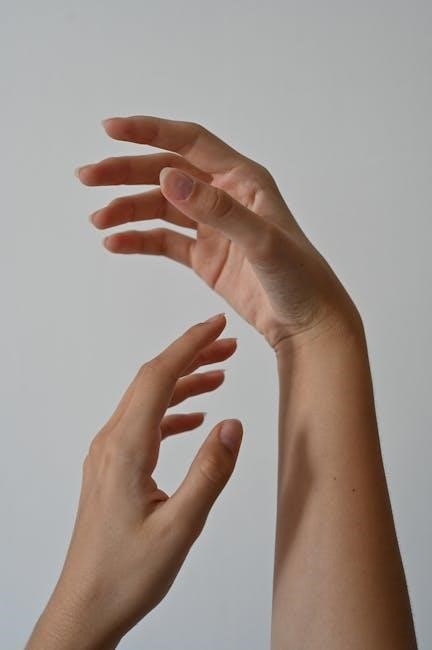
PDF research details crucial Libras parameters like hand count and configurations, offering detailed guides and analyses for effective sign production and comprehension․
These PDF documents explore abstract rules governing handshapes, vital for accurate Libras communication and linguistic understanding within the Deaf community․
The Number of Hands Parameter in Libras Sign Production (PDF Research)
PDF-based research extensively investigates the “number of hands” parameter as a fundamental element in Libras sign formation․ Studies, readily available in PDF format, demonstrate that the utilization of one or both hands isn’t arbitrary; it’s a core linguistic feature carrying semantic and grammatical weight․
These documents analyze how varying hand usage distinguishes signs, impacting meaning and grammatical structure․ The research highlights that Libras employs a system where the number of hands actively involved in a sign isn’t merely a stylistic choice, but a crucial component of the lexicon․
PDF guides detail how changes in hand count can alter a sign’s meaning entirely, emphasizing the importance of precise execution for effective communication․ Furthermore, these resources explore the interplay between hand count and other Libras parameters, such as handshape and movement, providing a holistic understanding of sign production․
Access to these PDF studies is invaluable for Libras learners, interpreters, and researchers seeking a deeper comprehension of this essential linguistic parameter․
Handshapes (Configurations) in Libras: PDF Guides
PDF guides dedicated to Libras handshapes, often referred to as configurations (CM), are essential resources for learners and practitioners․ These documents meticulously detail the diverse range of handshapes utilized in Libras, emphasizing their critical role in differentiating signs and conveying meaning․
Available PDF materials illustrate each handshape with clear diagrams and descriptions, often accompanied by examples of signs where they appear․ They highlight that mastering handshapes is paramount for accurate sign production and comprehension, as even subtle variations can alter a sign’s intended message․
These PDF resources don’t just present the shapes themselves; they delve into the abstract rules governing their application, explaining how they interact with other Libras parameters like movement and location․ Understanding these rules is key to fluency․
Accessing these PDF guides provides a structured and comprehensive approach to learning Libras handshapes, fostering effective communication within the Deaf community․
Understanding Abstract Rules of Hand Configurations (PDF Analysis)
PDF analyses focusing on the abstract rules of hand configurations (CM) in Libras reveal the intricate linguistic structure underlying the language․ These documents move beyond simply cataloging handshapes, instead exploring the systematic principles governing their use and modification within signs․
Researchers utilize PDF-based studies to demonstrate how handshape changes aren’t arbitrary, but are governed by phonological constraints․ These analyses often detail how specific handshape features can signal grammatical information or differentiate between related concepts․
PDF resources present detailed examinations of how handshape interacts with other Libras parameters – movement, location, and non-manual markers – to create meaningful distinctions․ They highlight the importance of understanding these interactions for accurate interpretation․
These PDF analyses are invaluable for linguists, interpreters, and advanced Libras learners seeking a deeper understanding of the language’s internal logic and systematic organization․
Accessibility Features in Libras PDFs
Libras PDF accessibility demands web-friendly designs, incorporating visual and textual resources tailored for Deaf users, ensuring inclusive communication and effective learning․
Prioritizing usability, these PDFs employ clear layouts and hyperlinks, fostering seamless access to vital Libras resources for the target community․
Ensuring Web Accessibility for Libras Content
Alternative text (alt text) is paramount for all images and visual elements, providing descriptive information for users who cannot see them․ Furthermore, ensuring sufficient color contrast between text and background is crucial for readability, particularly for individuals with low vision․
PDF tagging, a process of adding semantic information to document elements, is essential for accessibility․ Tagged PDFs allow assistive technologies to interpret content accurately․ Hyperlinks should be descriptive and clearly indicate their destination․
Finally, regular accessibility audits using automated tools and manual testing with Deaf users are vital to identify and rectify any remaining barriers, guaranteeing truly inclusive access to Libras resources․
Usability Considerations for Deaf Users Accessing PDFs
PDFs containing Libras content should prioritize clear visual layouts, avoiding cluttered designs that can hinder comprehension․ The use of consistent formatting and headings improves navigation and allows users to quickly locate specific information․
Consider providing transcripts or captions for any embedded video content demonstrating Libras signs․ Interactive elements, such as clickable diagrams or quizzes, should be fully accessible with keyboard navigation and screen reader compatibility․
Visual and Textual Resources within Libras PDFs
Effective Libras PDFs integrate both visual and textual elements to maximize understanding․ High-quality images or illustrations of Libras signs are essential, accompanied by clear, concise descriptions of handshapes, movements, and facial expressions․
Supplementing visuals with glossaries of key terms and explanations of grammatical concepts enhances learning․ The inclusion of SignWriting representations within PDFs provides an alternative visual notation for signs, aiding comprehension and recall․
Furthermore, incorporating links to external resources, such as online dictionaries or video demonstrations, expands learning opportunities․ Careful attention to color contrast and font size ensures readability for users with visual impairments, promoting inclusivity and accessibility․

Future Trends in Libras PDF Resources
Libras PDF resources will expand through digital libraries, improved Neural Machine Translation integration, and enhanced accessibility standards for inclusive learning․
Expanding Digital Libraries of Libras Materials
The future of Libras accessibility hinges on the continued growth of comprehensive digital libraries․ These repositories, heavily utilizing PDF formats, will centralize a vast collection of resources, making them readily available to the Deaf community and researchers alike․ Currently, scattered resources hinder efficient learning and linguistic study; consolidation is key․
Expanding these libraries necessitates collaborative efforts between universities, research institutions, and Deaf organizations․ Digitizing existing materials – including grammar guides, corpora, sign banks, and literary works – is paramount․ Furthermore, the creation of new, interactive PDF-based learning modules, incorporating multimedia elements, will significantly enhance the learning experience․
Accessibility features within these PDFs are non-negotiable․ Ensuring compatibility with screen readers, providing alternative text for images, and offering navigable structures are crucial․ The goal is to create a truly inclusive digital environment where Libras materials are accessible to everyone, regardless of their technological proficiency or specific needs․ This expansion will empower the Deaf community and promote linguistic equality․
The Evolution of NMT and PDF Integration
Neural Machine Translation (NMT) is rapidly evolving, and its integration with PDF resources holds immense potential for Libras accessibility․ Datasets like VLibrasBD are foundational, enabling the training of high-quality translation models between Brazilian Portuguese and Libras․ However, simply translating text isn’t enough; the nuance of sign language requires sophisticated algorithms․
Future advancements will focus on incorporating visual information directly from PDFs․ Imagine a system that not only translates text but also identifies and renders corresponding Libras signs, potentially as embedded videos or animated graphics within the PDF itself․ This requires NMT models capable of processing both textual and visual data․
PDFs will serve as interactive learning tools, allowing users to practice translation and receive real-time feedback․ Furthermore, the integration of NMT with PDF accessibility features will ensure that translated content is readily available to users with disabilities․ This synergy between NMT and PDF technology promises a more inclusive and effective learning experience for all․
Improving Accessibility Standards for Libras PDFs
Currently, accessibility standards for Libras PDFs lag behind those for text-based documents․ Ensuring web accessibility for Libras content requires a multi-faceted approach, moving beyond simple text alternatives․ PDFs must accommodate visual learners, incorporating clear sign illustrations, video demonstrations, and interactive elements․
Usability for Deaf users demands careful consideration of layout and navigation․ PDFs should be structured logically, with appropriate headings and alt-text for images․ Crucially, embedded videos of Libras signs need accurate captions and transcripts for those with limited visual access or who prefer textual reinforcement․
Future standards should mandate the inclusion of metadata specifically identifying Libras content, enabling search engines and assistive technologies to locate and present it effectively․ This includes standardized tagging for sign glosses and grammatical features․ Ultimately, improved standards will empower Deaf users to fully access and benefit from the wealth of information contained within Libras PDFs․